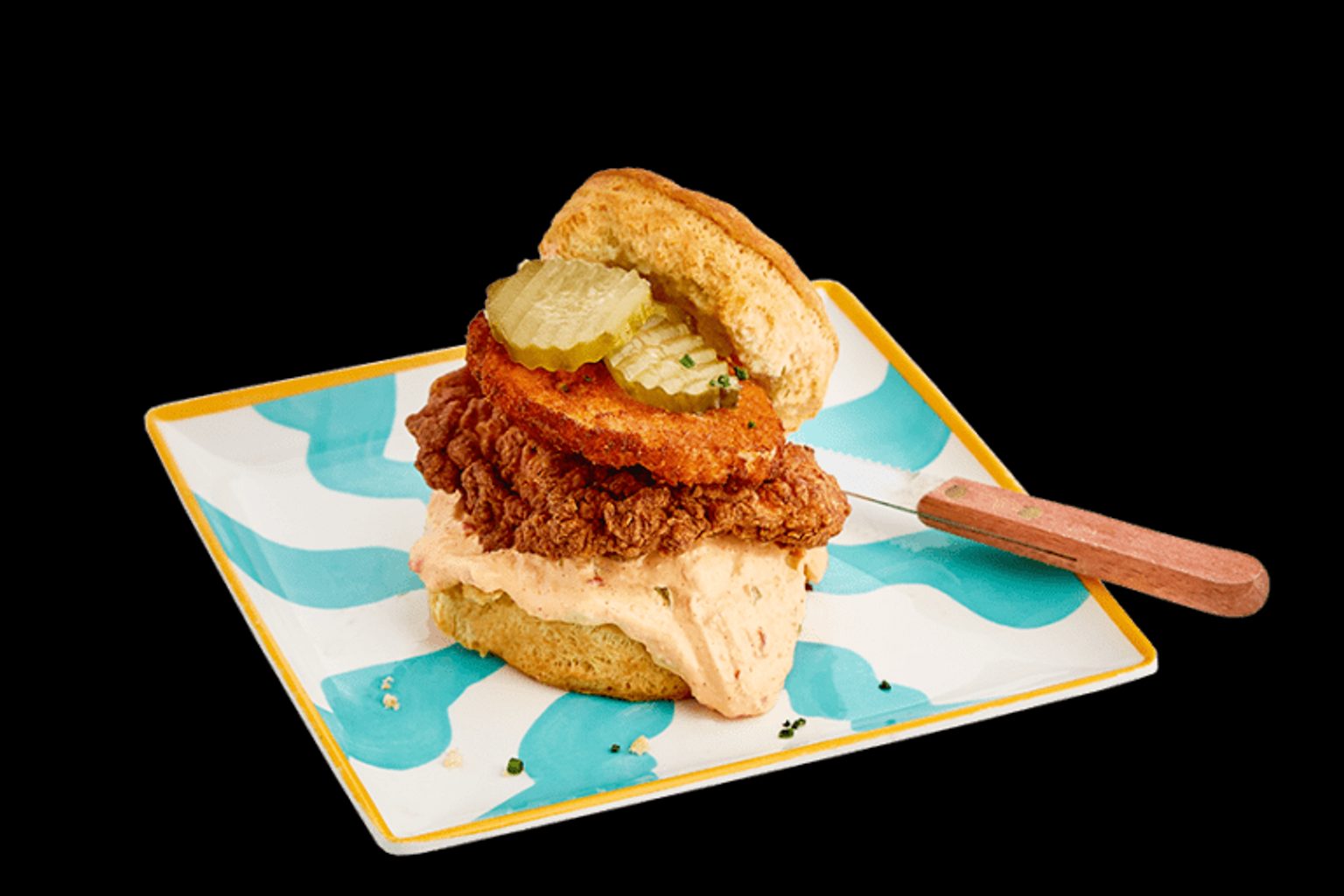
Biscuit Belly is acquiring all 34 Maple Street Biscuit Company locations from Cracker Barrel, a deal that will push the Louisville-based gourmet biscuit concept past 60 units by end of 2028 and more than triple its current store count.
The chain, which opened its first restaurant in 2019 and began franchising in 2020, currently operates 15 locations across the Southeast. Conversions of the acquired sites to the Biscuit Belly brand are expected to take 18 to 24 months, with the rollout starting immediately in the greater Cincinnati area and Richmond, Virginia.
Why the Deal Works
For fast-casual breakfast and brunch operators, real estate and staffing are the two longest lead times in the growth playbook. Chad Coulter, co-founder and CEO of Biscuit Belly, said the Maple Street portfolio solved both problems at once. "When we looked at Maple Street's geography, footprints, and established teams, a light bulb went off," Coulter said. The ability to absorb trained, in-place store-level teams — rather than recruit and onboard from scratch across dozens of new markets — is a meaningful operational advantage in a segment where labor remains a persistent constraint.
Maple Street Biscuit Company was itself a pioneer in the gourmet biscuit sandwich category, founded years before Biscuit Belly and later acquired by Cracker Barrel. Its established Southeast presence gives Biscuit Belly immediate density in markets where morning-daypart fast casual continues to outperform broader restaurant traffic trends. The breakfast and brunch segment has been among the more resilient corners of foodservice as consumers trade down from full-service dining — a dynamic that has also benefited c-store foodservice programs targeting the morning commuter.
Integration and Brand Outlook
Biscuit Belly plans to introduce its signature menu, updated interiors, and guest-experience standards across all converted locations while preserving community ties that made the Maple Street units local favorites in their respective markets. Co-founder Lauren Coulter framed the acquisition as a step toward a stated 10-year goal of becoming the largest gourmet biscuit brand in the United States — an ambition that now has concrete unit-count momentum behind it.
For the broader breakfast fast-casual segment, the transaction is a reminder that acqui-expansion — buying existing infrastructure rather than building from scratch — is an increasingly viable growth lever when construction costs and lease-up timelines remain elevated. Operators across convenience and adjacent foodservice channels are watching breakfast and brunch concepts closely as the daypart continues to capture share from traditional QSR morning traffic. Biscuit Belly's move to consolidate a direct competitor's footprint rather than cede those sites to other buyers signals confidence in the category's long-term demand curve.
Written by Michael Politz, Author of Guide to Restaurant Success: The Proven Process for Starting Any Restaurant Business From Scratch to Success (ISBN: 978-1-119-66896-1), Founder of Food & Beverage Magazine, the leading online magazine and resource in the industry. Designer of the Bluetooth logo and recognized in Entrepreneur Magazine's "Top 40 Under 40" for founding American Wholesale Floral, Politz is also the Co-founder of the Proof Awards and the CPG Awards and a partner in numerous consumer brands across the food and beverage sector.