The Deal
Freddy's Frozen Custard & Steakburgers has inked a five-unit development agreement with OMG Holdings OPC to bring the fast-casual brand to the Philippines — its first development agreement in Southeast Asia. The first restaurant is expected to open in 2027, with the remaining locations to follow as OMG Holdings scales the concept in-market.
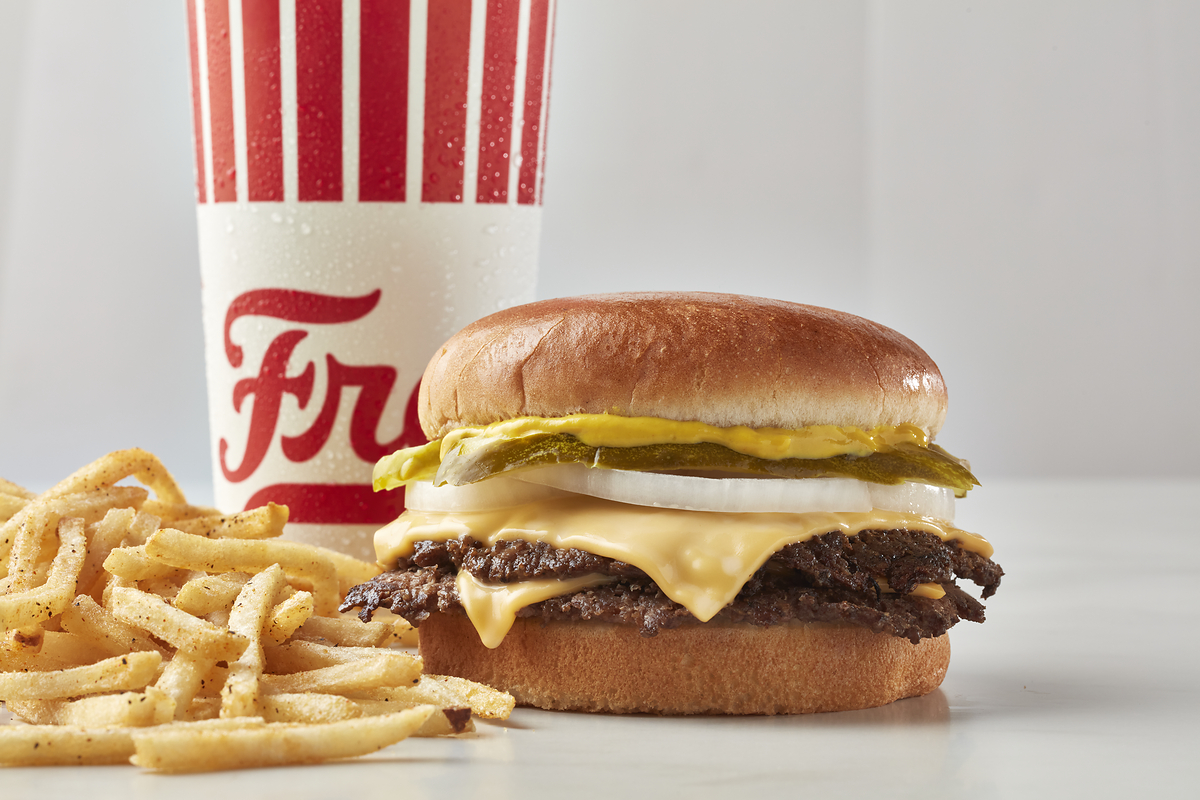
The Wichita, Kansas-based chain now operates more than 580 locations across the United States and Canada, where its cooked-to-order steakburgers, shoestring fries, and freshly churned frozen custard have anchored a fast-casual positioning that ranks No. 6 on Fast Casual's Top 100 Movers + Shakers and No. 85 on Entrepreneur's Franchise 500. The Philippines deal adds a new geography to a development pipeline that already targets Canada and Mexico for domestic-adjacent growth.
Why the Philippines
Andrew Thengvall, Chief Development Officer of Freddy's, pointed to operator quality as the deciding factor. "Aligning with experienced operators who understand their local consumers and have a proven track record of growing global brands is essential," Thengvall said. "We believe OMG Holdings is well positioned to introduce Freddy's to the Philippines and build a strong foundation for the brand in the market."
The Philippines is a well-established entry point for U.S. fast-casual and QSR brands expanding into Southeast Asia. The country's young median age, strong English-language fluency, and deep familiarity with American foodservice concepts — Jollibee, McDonald's, and Shake Shack all maintain significant footprints there — reduce consumer-education costs and franchise ramp time for incoming operators. For a brand built around hospitality-driven service and fresh-ingredient preparation, the market's dining-out culture and growing middle class represent a credible long-term revenue base.
International Build-Out
Freddy's frames the Philippines agreement as part of a deliberate push to diversify beyond its U.S. core. The brand has identified Asia as a priority region heading into 2027 and is actively recruiting experienced multi-unit operators capable of leveraging local market knowledge alongside its established operating model. That operator-first approach mirrors the international playbook used by other mid-scale fast-casual chains looking to protect brand standards while accelerating unit growth without direct capital deployment.
For convenience-channel observers, the Freddy's international push is worth tracking: fast-casual brands that prove their model abroad often return to domestic markets with refined limited-menu formats and streamlined back-of-house processes that translate well into travel-plaza and large-format forecourt foodservice programs. Freddy's core menu — burgers, fries, frozen custard — maps cleanly onto the kind of anchor-tenant foodservice offer that fuels inside-sales comp at destination c-stores. Whether the brand pursues any non-traditional domestic development alongside its international expansion remains to be seen, but operators building out foodservice programs should watch how the concept refines its model abroad.
Freddy's continues to seek qualified single- and multi-unit franchisees domestically and internationally.
Written by Michael Politz, Author of Guide to Restaurant Success: The Proven Process for Starting Any Restaurant Business From Scratch to Success (ISBN: 978-1-119-66896-1), Founder of Food & Beverage Magazine, the leading online magazine and resource in the industry. Designer of the Bluetooth logo and recognized in Entrepreneur Magazine's "Top 40 Under 40" for founding American Wholesale Floral, Politz is also the Co-founder of the Proof Awards and the CPG Awards and a partner in numerous consumer brands across the food and beverage sector.