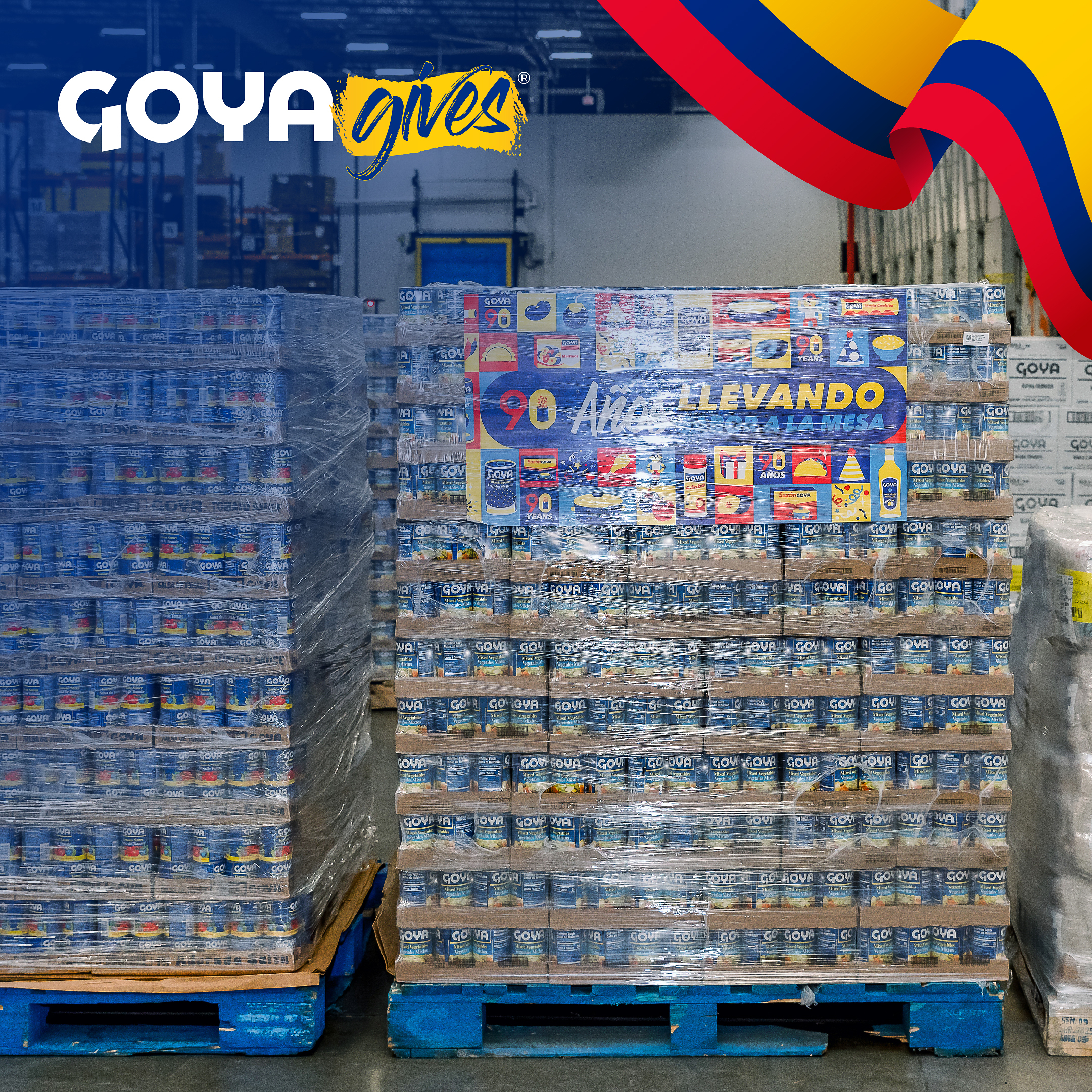
Goya Foods is shipping more than 200,000 pounds of food to earthquake-affected communities in Colombia, the company announced, working through disaster-logistics partner Global Empowerment Mission (GEM) to move five truckloads of essential pantry items directly to families in the hardest-hit areas.
The Scale of the Donation
The donation, executed under Goya's Goya Gives corporate-responsibility platform, consists of a variety of shelf-stable products drawn from the company's catalog of more than 2,500 SKUs spanning Caribbean, Mexican, Central American, and South American culinary traditions. Shelf-stable foods — beans, rice, canned vegetables, seasonings — are a logistics staple in disaster relief precisely because they require no refrigeration and carry long shelf lives, making them well-suited to distribution in areas where cold-chain infrastructure may be compromised.
Co-President Peter Unanue framed the move as consistent with the company's long-term community commitments. "For 90 years, Goya has stood with communities in times of need," Unanue said. "We hope this donation provides nourishment and comfort to families as they recover and rebuild."
GEM's Role and Speed-to-Need Model
GEM Founder and President Michael Capponi noted that the partnership's value lies in the organization's rapid-deployment capability. "Our model is built around speed, efficiency and strong partnerships, ensuring aid arrives quickly and reaches the communities where it has the greatest impact," Capponi said. The relief organization's established in-country networks are designed to compress the time between donation and delivery — a critical variable when post-disaster food insecurity peaks in the first 72 to 96 hours.
For food manufacturers and distributors, disaster-relief partnerships like this one serve a dual purpose: they move meaningful product volume to people who need it while reinforcing brand equity in Hispanic communities that represent a growing share of U.S. grocery and convenience-channel spending. The U.S. Hispanic population now exceeds 63 million, and Hispanic shoppers over-index in per-capita food spending, making community-goodwill investments strategically significant for CPG suppliers competing for shelf and foodservice placement.
Broader Relief Context
The Colombia effort follows a similar Goya Gives response to earthquakes in Venezuela, underscoring a pattern in which the Jersey City-based manufacturer activates its supply chain for humanitarian purposes alongside commercial operations. The company reports partnerships with more than 300 organizations — food banks, churches, shelters, and schools — as part of its ongoing Goya Gives program.
For c-store operators and foodservice buyers who carry Goya products — a fixture in Hispanic-format stores and an expanding presence in mainstream forecourt grab-and-go sets — supplier-side relief activity can factor into category-management conversations around brand alignment and community positioning. Retailers in markets with large Latino shopper bases have increasingly looked to supplier partners with documented community-investment records as a merchandising differentiator.
More information on the Goya Gives initiative is available at www.goyagives.com.
Written by Michael Politz, Author of Guide to Restaurant Success: The Proven Process for Starting Any Restaurant Business From Scratch to Success (ISBN: 978-1-119-66896-1), Founder of Food & Beverage Magazine, the leading online magazine and resource in the industry. Designer of the Bluetooth logo and recognized in Entrepreneur Magazine's "Top 40 Under 40" for founding American Wholesale Floral, Politz is also the Co-founder of the Proof Awards and the CPG Awards and a partner in numerous consumer brands across the food and beverage sector.