The Program
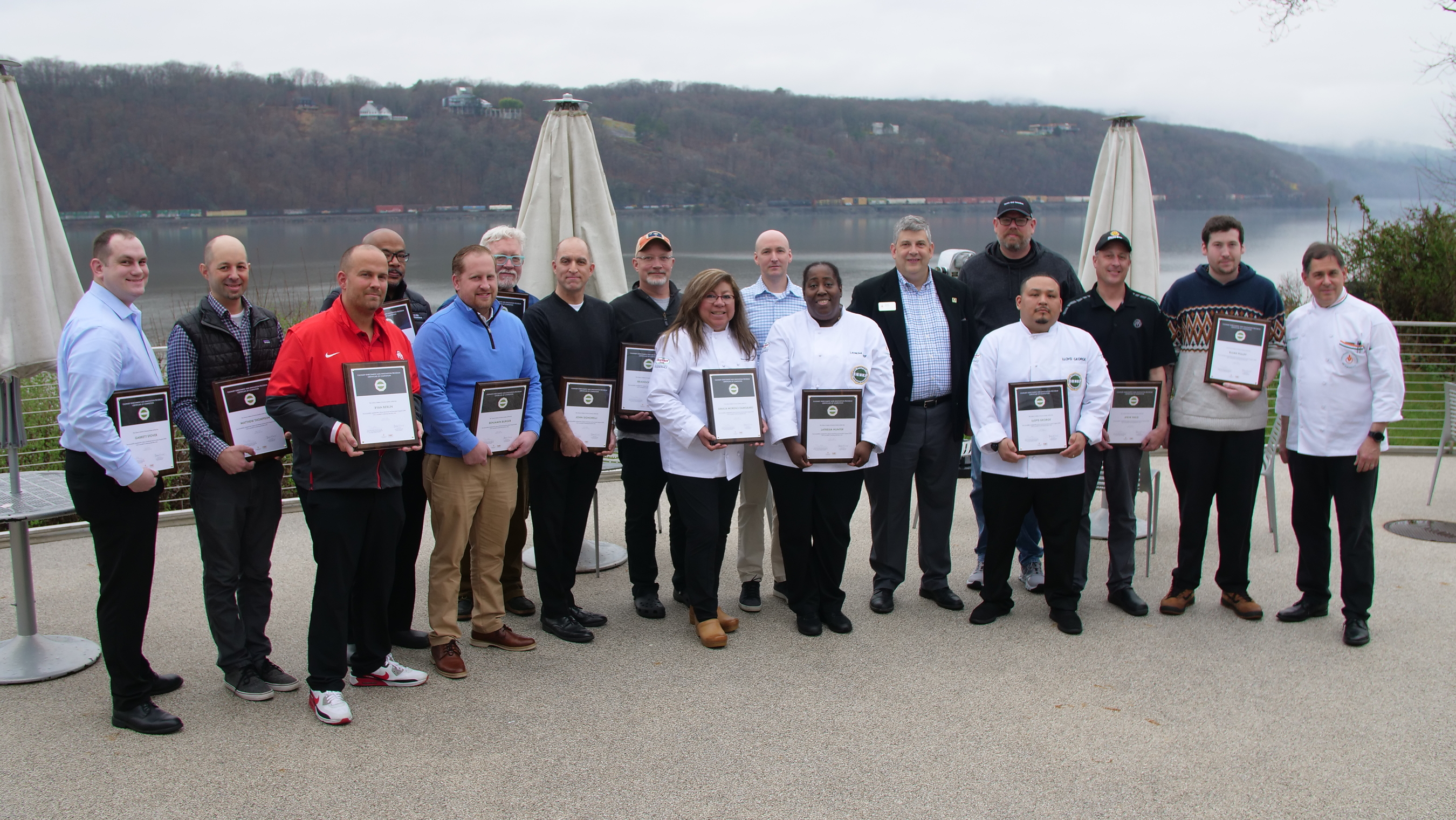
Hormel Foods and the Culinary Institute of America are now accepting applications for the Culinary Enrichment and Innovation Program (CEIP) class of 2028, a tuition-free, year-long leadership development experience open to working foodservice chefs with 10 or more years of professional experience. The deadline to apply is Nov. 30, 2026, at ceipinfo.com.
First launched in 2008, CEIP selects a cohort of 20 chefs from across commercial and non-commercial foodservice operations for three immersive, multi-day modules at CIA facilities. The 2027–28 schedule places Module I in Napa Valley, California (April 5–8, 2027), Module II in San Antonio, Texas (October 2027, date TBA), and Module III in Hyde Park, New York (April 2028, date TBA). Participants must complete all three modules to earn a CIA certificate of completion and the associated continuing education units. Hormel Foods underwrites all tuition and meals; participants are responsible for their own travel, lodging, and personal expenses.
Why Foodservice Operators Should Pay Attention
For multi-unit operators and contract foodservice accounts, programs like CEIP matter beyond the brand sponsorship. The foodservice labor pipeline remains one of the channel's most persistent pressure points: back-of-house turnover in the restaurant and institutional segment routinely runs above 70%, and culinary leadership gaps have a direct effect on menu consistency, throughput, and prepared-food quality — metrics that increasingly define the competitive edge for c-stores investing in foodservice programs. Training partnerships between major protein suppliers and culinary institutions represent a meaningful, if indirect, investment in the talent base that foodservice-forward operators depend on.
"The future of foodservice depends on strong culinary leaders who can inspire teams, drive innovation and adapt to a rapidly evolving industry," said Annemarie Vaupel, vice president of foodservice marketing at Hormel Foods. "Through CEIP, we're investing in experienced chefs who are committed to advancing their craft and elevating the profession."
Eligibility and Context
Applicants must demonstrate proven culinary and leadership skills and a long-term commitment to the industry. There are no academic prerequisites — no college degree or prior culinary-school credential is required for acceptance, which lowers the barrier for self-trained or career-track chefs. The program is designed as a fast-paced, peer-to-peer learning environment; cohort interaction with Hormel Foodservice team members is built into each module.
For c-store and travel-plaza operators scaling prepared-food and foodservice programs, supplier-backed culinary education initiatives like CEIP can influence the quality of the talent pool available for kitchen leadership roles. As more chains hire executive or lead chefs to anchor their food and beverage programs, industry pipelines fed by programs at this level become a downstream staffing resource worth tracking.
Written by Michael Politz, Author of Guide to Restaurant Success: The Proven Process for Starting Any Restaurant Business From Scratch to Success (ISBN: 978-1-119-66896-1), Founder of Food & Beverage Magazine, the leading online magazine and resource in the industry. Designer of the Bluetooth logo and recognized in Entrepreneur Magazine's "Top 40 Under 40" for founding American Wholesale Floral, Politz is also the Co-founder of the Proof Awards and the CPG Awards and a partner in numerous consumer brands across the food and beverage sector.