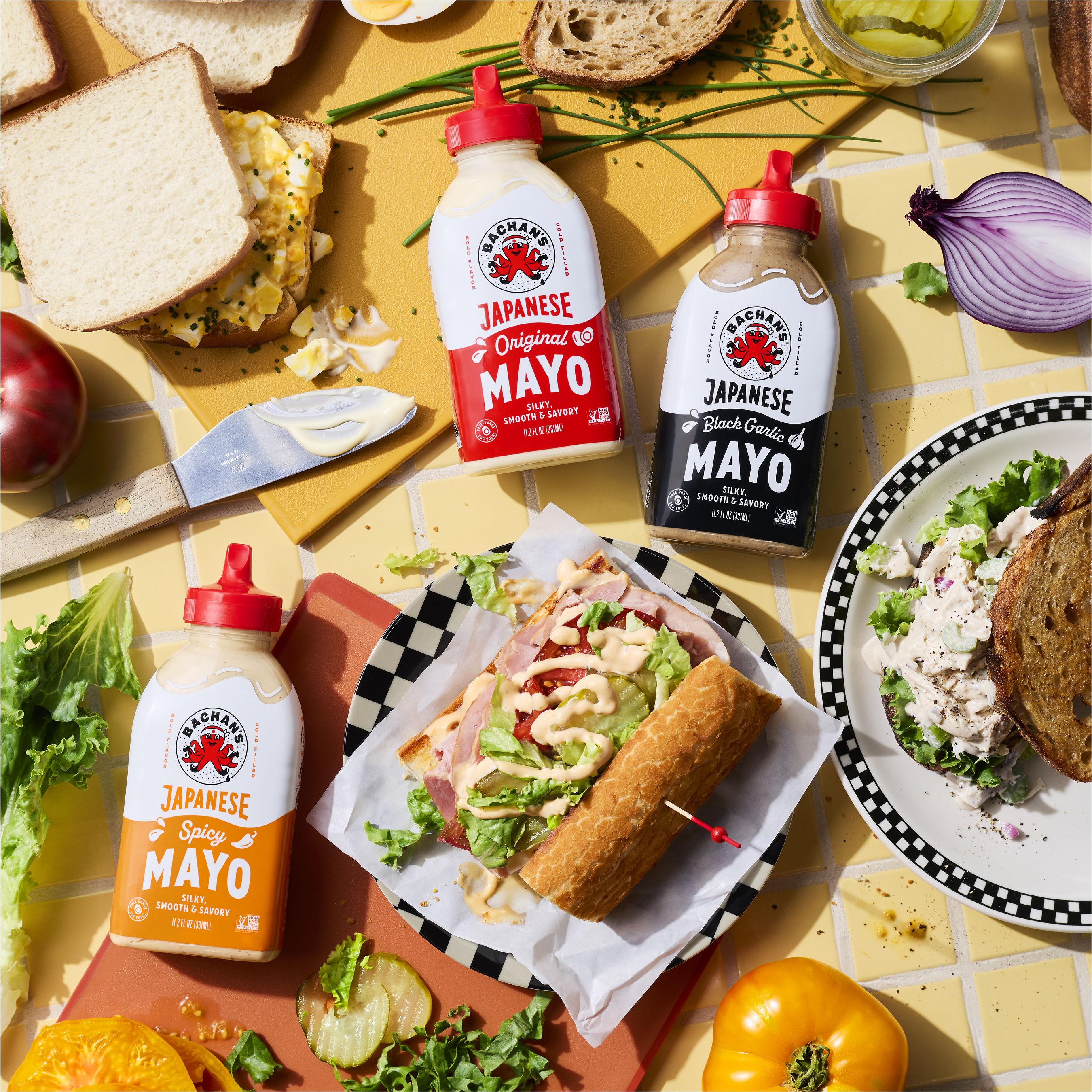
Imagine has released its latest trends report, Freshness Reimagined: The New Role of Food in Everyday Life, which examines how consumer demand for fresh food is reshaping traffic, loyalty, and revenue growth across retail and foodservice channels — including the convenience segment.
The report arrives at a moment when fresh and prepared food has become one of the most contested battlegrounds in c-store retailing. Operators from large chains to single-store operators have accelerated investment in grab-and-go cases, made-to-order programs, and commissary-supplied fresh SKUs as they compete for meal-occasion dollars against quick-service restaurants and grocery.
What the Data Signals
While Imagine did not release granular figures ahead of the full report, the core thesis — that freshness has shifted from a point of differentiation to a baseline shopper expectation — aligns with broader industry data. NACS has consistently tracked inside-sales mix shifting toward higher-margin foodservice and dispensed-beverage categories, with prepared food and hot dispensed beverages among the top contributors to inside-sales comp growth at well-run chains. For operators still relying on packaged snacks and center-store to drive basket size, the report's framing represents a pointed call to action.
The loyalty angle is equally significant for the channel. C-store loyalty programs have proliferated over the past three years, and fresh food is increasingly the hook that converts a fuel stop into a repeat foodservice visit. Chains that have embedded fresh or prepared food offers directly into their loyalty member rewards — think bundled meal deals or app-exclusive bakery discounts — have reported measurably stronger attachment rates on the back-of-house side of the business.
Why It Matters for C-Stores
For convenience operators, the practical stakes are straightforward: fresh food drives inside-sales velocity, improves fuel-stop conversion, and raises the average ticket in ways that packaged goods alone cannot. The challenge has always been execution — shrink management, cold-chain logistics, and staffing a foodservice program without a quick-service restaurant's back-of-house infrastructure. Reports like Freshness Reimagined tend to surface the consumer-side evidence that helps operators build the internal case for capital investment in refrigerated cases, roller grill resets, or commissary partnerships.
The convenience channel's foodservice program buildout has also attracted attention from food and beverage suppliers looking to place fresh or minimally processed SKUs in a higher-frequency retail environment than traditional grocery. Imagine's report is likely to inform those conversations as vendors and operators negotiate shelf resets and promotional programs heading into the back half of 2026.
The full report is available through Imagine's platform. No pricing or access details were provided at time of publication.
Written by Michael Politz, Author of Guide to Restaurant Success: The Proven Process for Starting Any Restaurant Business From Scratch to Success (ISBN: 978-1-119-66896-1), Founder of Food & Beverage Magazine, the leading online magazine and resource in the industry. Designer of the Bluetooth logo and recognized in Entrepreneur Magazine's "Top 40 Under 40" for founding American Wholesale Floral, Politz is also the Co-founder of the Proof Awards and the CPG Awards and a partner in numerous consumer brands across the food and beverage sector.