The Expansion
Little Spoon, the direct-to-consumer baby and kids food brand that claims the top spot in U.S. online sales in its segment, is moving aggressively into brick-and-mortar grocery this October — adding roughly 570 stores through three regional banners: H-E-B, Wegmans and Harris Teeter. The move follows a Target launch the company describes as top-decile velocity against legacy category competitors.
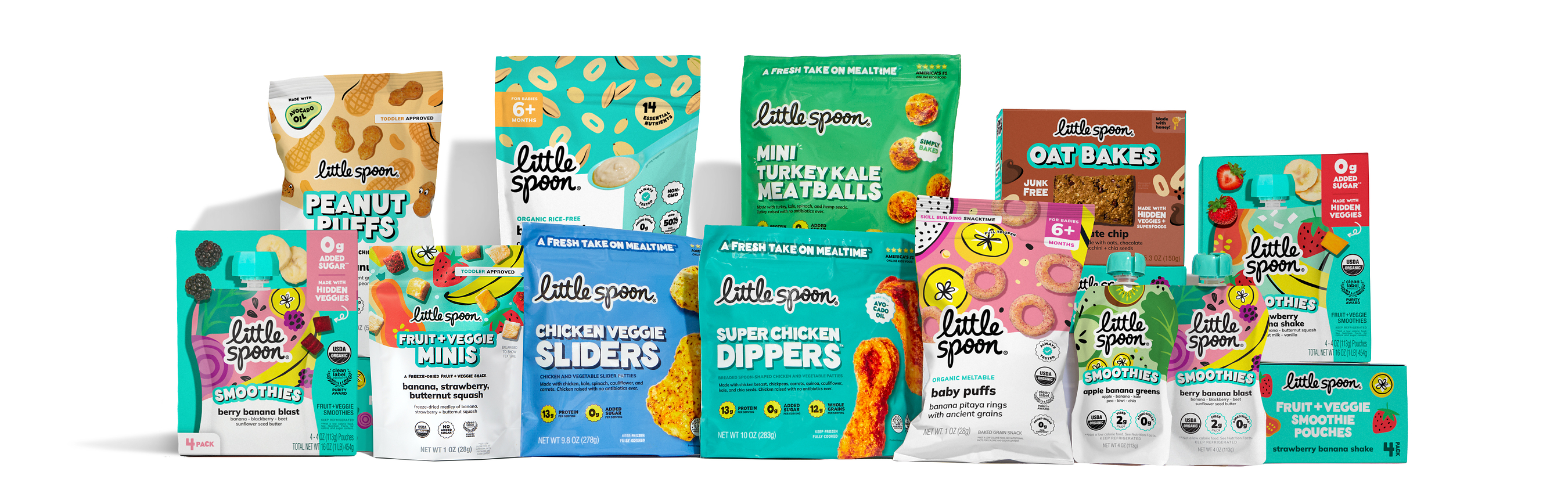
The strategy diverges from the typical new-brand playbook of chasing door count with a single hero SKU. Instead, Little Spoon is entering each banner with broad, multi-category assortments — 21 products at Wegmans (110 Northeast stores across nine states) and Harris Teeter (260-plus Mid-Atlantic and Southeast doors), and 32 products at H-E-B in Texas, the widest shelf footprint of the three. Products span ambient, refrigerated and frozen, mirroring the multi-stage feeding platform the brand built through its subscription DTC channel.
Why These Banners
Ben Lewis, Co-Founder and CEO of Little Spoon, framed the retailer selection around trust: "Each has built the kind of trust, influence and affinity in their communities that most brands only dream of — the same connection we've spent eight years building with families online."
The chain selections are data-driven. Little Spoon says it used eight years of first-party consumer data to target markets where it already sees elevated demand. The Northeast is the brand's strongest region nationally, with New Jersey ranking as its top state on a per-capita basis — a direct rationale for the Wegmans partnership. Texas is the brand's second-largest state by customer base, making H-E-B's community penetration a natural fit. Harris Teeter covers two incremental growth regions, the Mid-Atlantic and Southeast, through a banner known for fresh and high-quality positioning.
For grocery buyers and category managers, the depth-over-breadth model is notable. Rather than a 4-foot introductory set, Little Spoon is landing full platform assortments that span multiple aisles and developmental stages — baby food through big-kid formats — which raises the stakes on execution but also improves the likelihood of basket attachment and repeat purchase.
Channel Context
The launch lands as natural and organic kids' food continues to capture shelf space from legacy jarred and pouched formats at both national and regional grocers. Regional banners like H-E-B and Wegmans consistently index above average on household loyalty and basket size, making them productive proving grounds for premium brands before wider national rollouts. For a brand moving from direct-to-consumer subscription roots into omnichannel retail, those retailer relationships carry meaningful trial-generation value that DTC alone cannot replicate.
Little Spoon, founded in 2017, reports it has delivered more than 100 million meals to date, reached profitability, and counts tens of millions of products shipped in the past year. The October regional grocery expansion represents the first meaningful brick-and-mortar growth push beyond Target, and the company signals this is an additive channel rather than a pivot away from its subscription base.
Written by Michael Politz, Author of Guide to Restaurant Success: The Proven Process for Starting Any Restaurant Business From Scratch to Success (ISBN: 978-1-119-66896-1), Founder of Food & Beverage Magazine, the leading online magazine and resource in the industry. Designer of the Bluetooth logo and recognized in Entrepreneur Magazine's "Top 40 Under 40" for founding American Wholesale Floral, Politz is also the Co-founder of the Proof Awards and the CPG Awards and a partner in numerous consumer brands across the food and beverage sector.