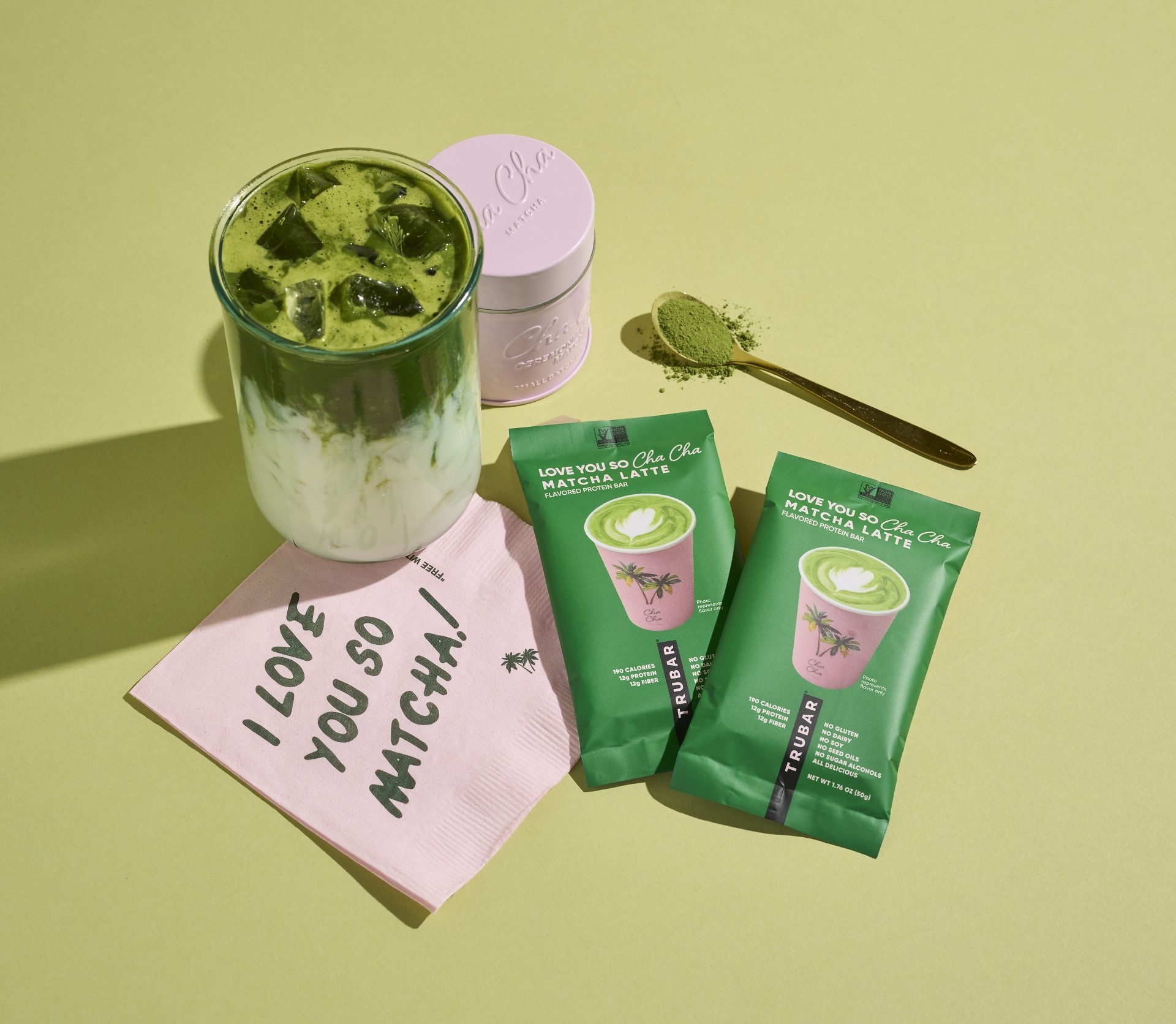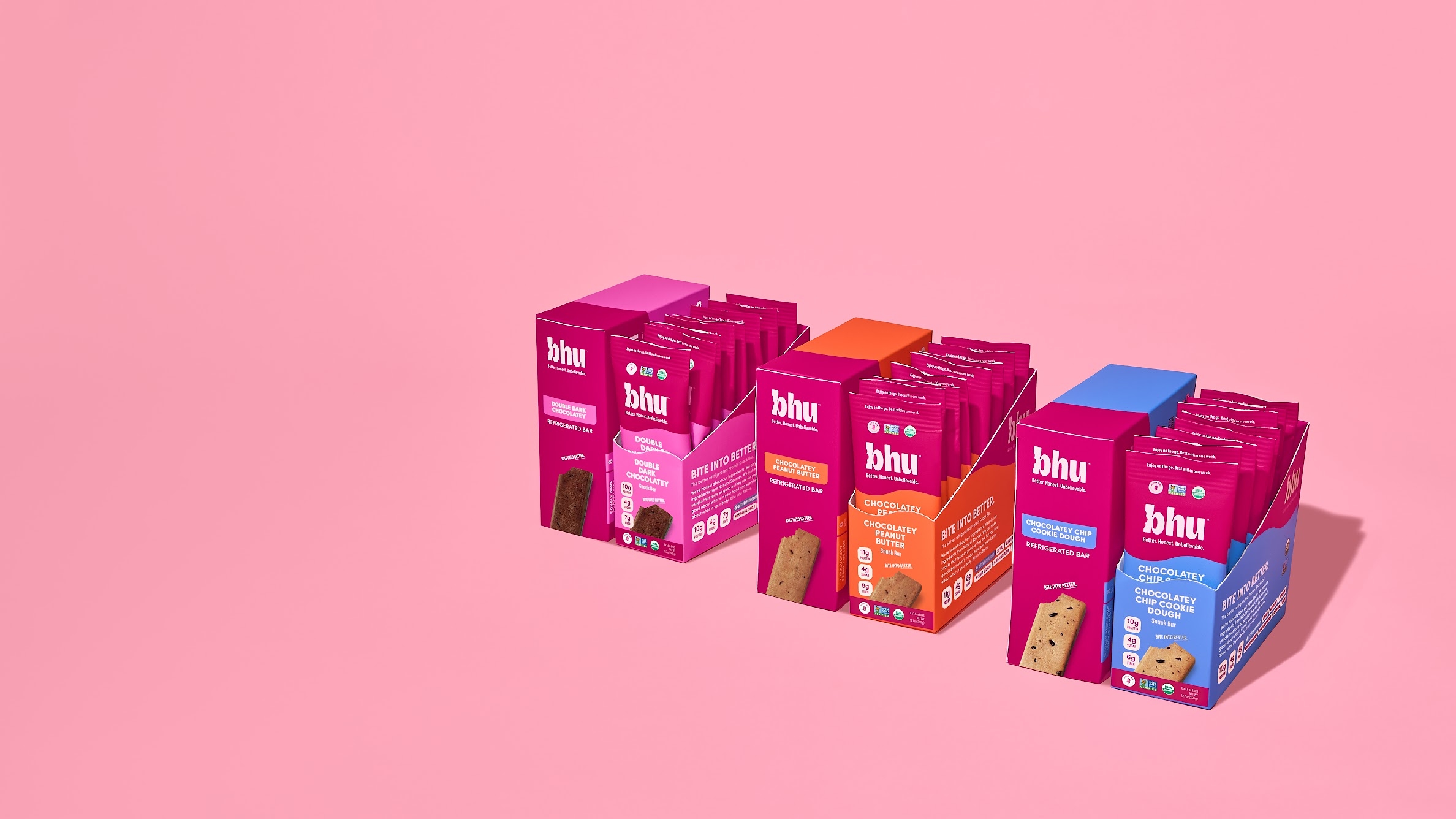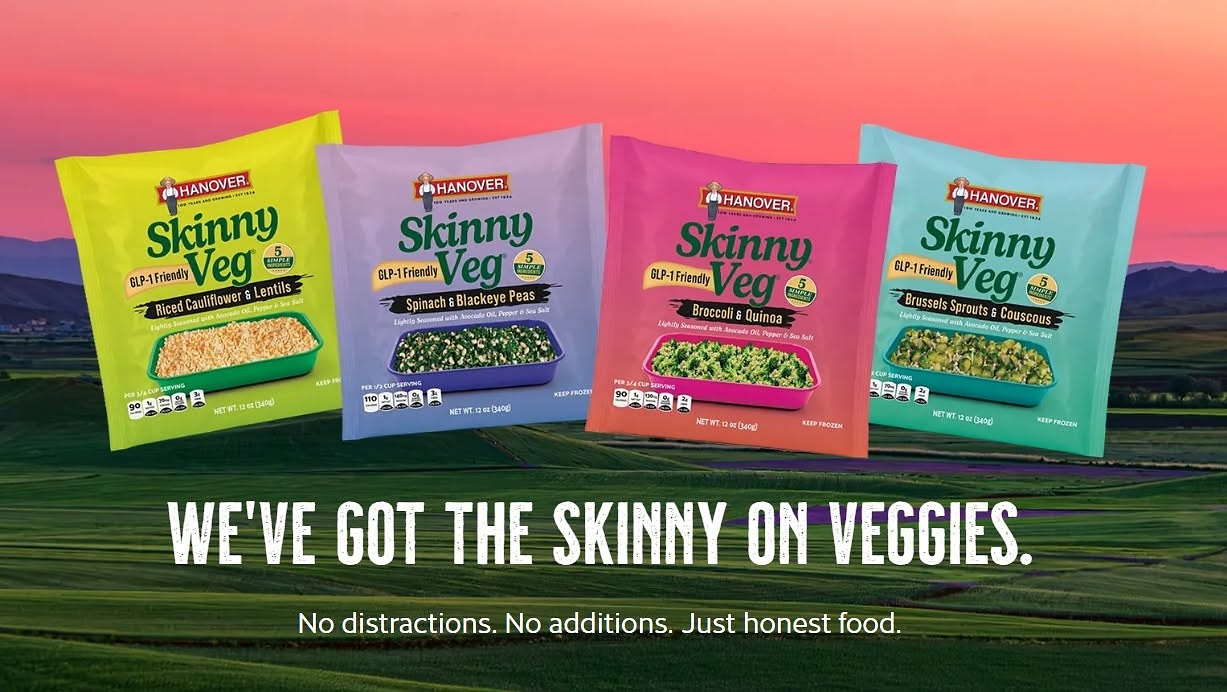
The Non-GMO Project reported this week that its Non-UPF Verified program has crossed 300 certified products — reaching 304 SKUs across 23 brands — just eight months after opening for enrollment in January 2026. The milestone signals accelerating retailer and brand interest in food-processing transparency as ultraprocessed food (UPF) moves from academic debate into shopper behavior and, increasingly, public policy.
For c-store buyers and category managers, the numbers matter: verified brands already include products such as Amy's Kitchen, Simple Mills, Spindrift, and Chomps — names that appear regularly in the better-for-you sets and grab-and-go coolers that convenience operators have been building out to capture health-conscious fill-in shoppers. Another 41 brands are currently pursuing verification, suggesting the certified product pool could double within the next year.
The Certification Standard
Non-UPF Verified is built on a standard that goes beyond ingredient lists. At least 70% of a product's ingredients must meet the program's requirements for permissible minimal or moderate processing; certain ingredients and processing methods commonly associated with ultraprocessed foods are restricted or prohibited outright. The program evaluates formulation and back-of-house manufacturing processes — information that rarely appears on front-of-pack labeling.
The certification operates on the same third-party verification model the Non-GMO Project has used for nearly two decades, during which it has built relationships with more than 5,000 food brands across North America. That infrastructure gives Non-UPF Verified a running start that a brand-new certifier would lack, and it positions the seal as a credible shelf signal for retailers making planogram decisions in better-for-you snack, beverage, and center-store categories.
App and Policy Backdrop
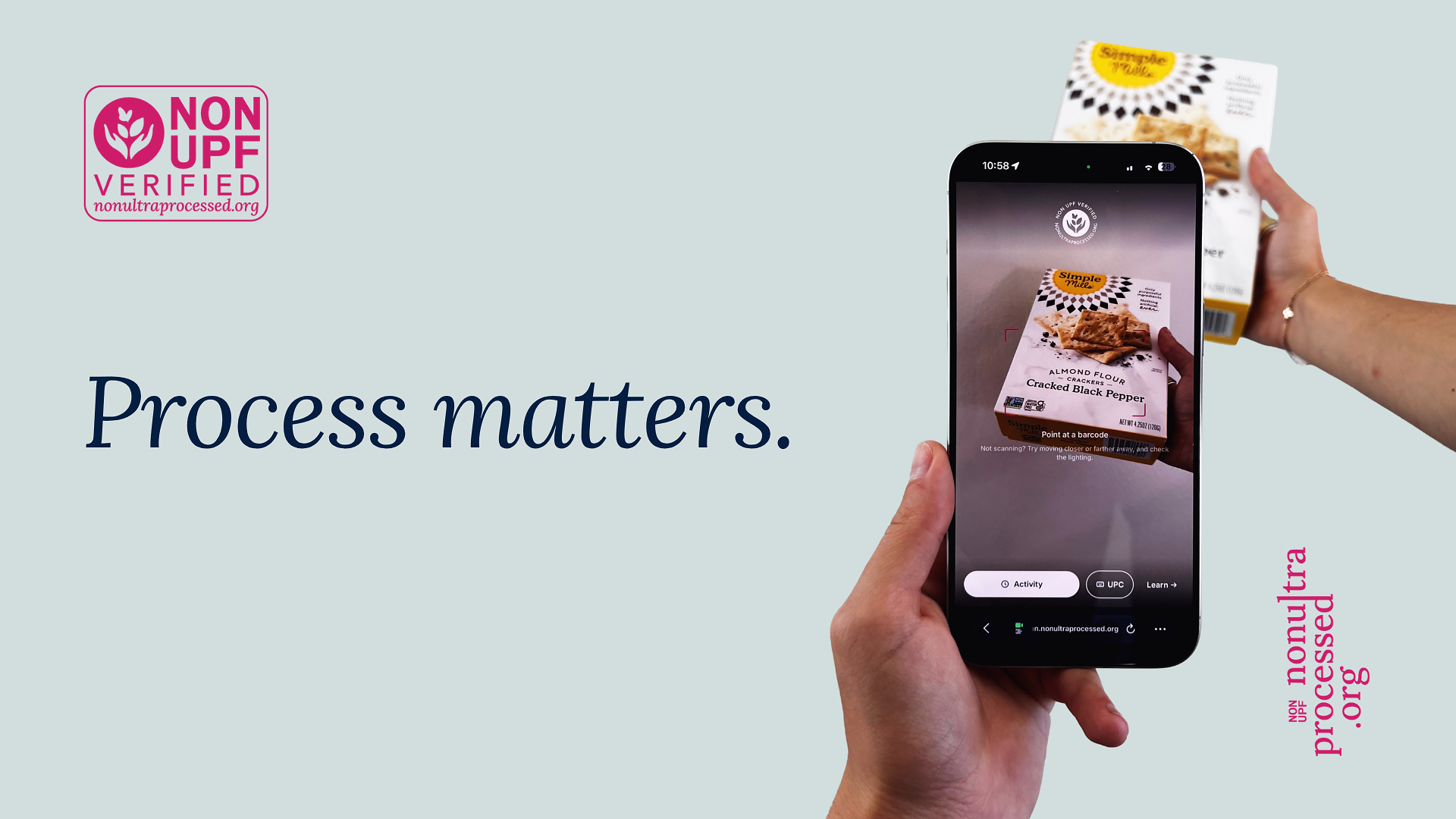
Alongside the product milestone, the organization launched a consumer-facing app for iOS and Android that lets shoppers scan a product barcode to check verification status, access processing information, and — if the product is not yet certified — submit a verification request directly to the brand. That last feature functions as a real-time demand signal: aggregated scan-and-request data can tell food makers which SKUs consumers most want to see verified, shortening the feedback loop between shopper preference and brand action.
The policy environment is adding urgency. California's AB 2244, recently passed by the state legislature, would establish a state-administered non-ultraprocessed certification program if signed into law. The California proposal relies on ingredient and nutrition-panel data to determine eligibility; Non-UPF Verified goes further by factoring in processing methods that are invisible on the package. Non-GMO Project CEO Megan Westgate welcomed the legislative momentum while drawing a clear line between the two approaches: "Processing itself needs to be part of the conversation. After nearly 20 years of verification work, we know that some of the most important information about a food simply isn't visible on the package."
For convenience operators, the practical takeaway is straightforward. Shoppers increasingly use third-party certification seals as a shortcut in time-pressured purchasing environments — exactly the context of a c-store visit. As the Non-UPF Verified seal spreads to more SKUs across snack, beverage, and refrigerated categories, it joins a short list of certifications — alongside Non-GMO Project Verified and select organic marks — that research consistently links to faster turn in better-for-you sets. Operators building or refreshing those sections should track which verified brands are seeking expanded distribution in the convenience channel.
Full product listings are available at nonultraprocessed.org/product-finder. Brands interested in pursuing certification can find program details at nonultraprocessed.org.
Written by Michael Politz, Author of Guide to Restaurant Success: The Proven Process for Starting Any Restaurant Business From Scratch to Success (ISBN: 978-1-119-66896-1), Founder of Food & Beverage Magazine, the leading online magazine and resource in the industry. Designer of the Bluetooth logo and recognized in Entrepreneur Magazine's "Top 40 Under 40" for founding American Wholesale Floral, Politz is also the Co-founder of the Proof Awards and the CPG Awards and a partner in numerous consumer brands across the food and beverage sector.