The Incentive Structure
Rōti Modern Mediterranean, the fast-casual concept under the Edible Brands portfolio, is zeroing out first-year royalties for franchisees who open new units on or ahead of their required development schedule — a direct play to accelerate network growth after the brand's 2025 acquisition by Edible Brands.
Under the program, qualifying operators pay no royalty fees during the first year of operation, then step up to a reduced 2% royalty rate in year two. The incentive stacks across a franchisee's entire development pipeline, meaning a multi-unit operator building out several locations can compound the savings across each qualifying opening. Development agreements must be signed by December 31, 2026.
Why the Timing Matters
Matthew Walls, president and chief stores officer at Edible Brands, framed the program around the financial reality of early-stage operations. "We know the first two years are the most critical for any new franchisee, and we wanted to build an incentive that puts real dollars back into their business right when they need it most," Walls said. The structure is notably front-loaded — operators typically face the steepest ramp costs in labor, marketing, and inventory during that window, and a royalty waiver converts directly into working capital.
Sara Berthen, vice president of global franchise development at Edible Brands, added that the goal is speed to profitability: "By easing the financial burden during the first two years, we're giving owners more resources to invest in their team, their guests and long-term growth."
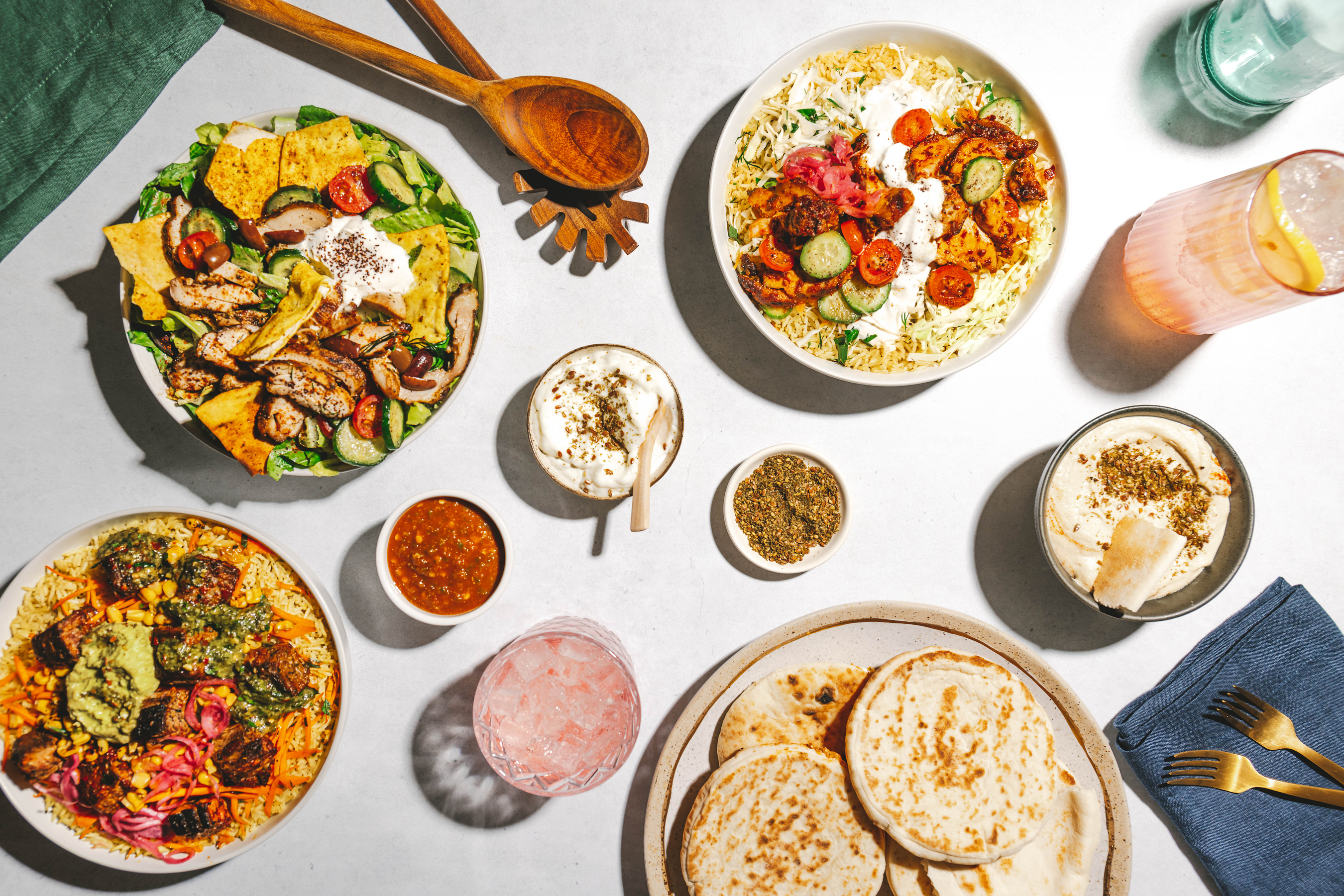
Founded in Chicago in 2006, Rōti is built around customizable bowls, salads, wraps, and handhelds. The brand operates across traditional restaurants, digital ordering channels, delivery-first kitchens, and catering — a format mix that has become increasingly relevant as off-premise volume continues to reshape fast-casual foodservice economics. Edible Brands positions the chain within the $85 billion fast-casual Mediterranean category, a segment that has drawn significant franchisee interest as operators look for differentiation beyond burger and chicken formats.
What Operators Should Watch
For prospective franchisees evaluating the program, the real calculus is whether the royalty relief offsets site selection and construction risk within a fixed signing window. The December 2026 deadline compresses the decision timeline, which appears deliberate — the program explicitly rewards operators who "move quickly and decisively on real estate and construction timelines," according to the company.
The approach mirrors incentive structures other emerging fast-casual franchisors have used to stimulate unit growth during post-acquisition rebranding phases. Bringing a brand under a larger portfolio umbrella, as Edible Brands has done with Rōti alongside Edible Arrangements and edibles.com, typically requires demonstrating franchise momentum to validate the acquisition thesis. A royalty-waiver program is a measurable lever: it lowers the franchisee's breakeven threshold and can compress the timeline to cash-flow positive operations, which in turn supports validation calls for prospective partners in the pipeline.
Information on investment requirements and territory availability is at franchise.roti.com. For operators considering multi-unit franchise development strategies, the program's per-unit stacking provision is the most operationally significant detail.
Written by Michael Politz, Author of Guide to Restaurant Success: The Proven Process for Starting Any Restaurant Business From Scratch to Success (ISBN: 978-1-119-66896-1), Founder of Food & Beverage Magazine, the leading online magazine and resource in the industry. Designer of the Bluetooth logo and recognized in Entrepreneur Magazine's "Top 40 Under 40" for founding American Wholesale Floral, Politz is also the Co-founder of the Proof Awards and the CPG Awards and a partner in numerous consumer brands across the food and beverage sector.