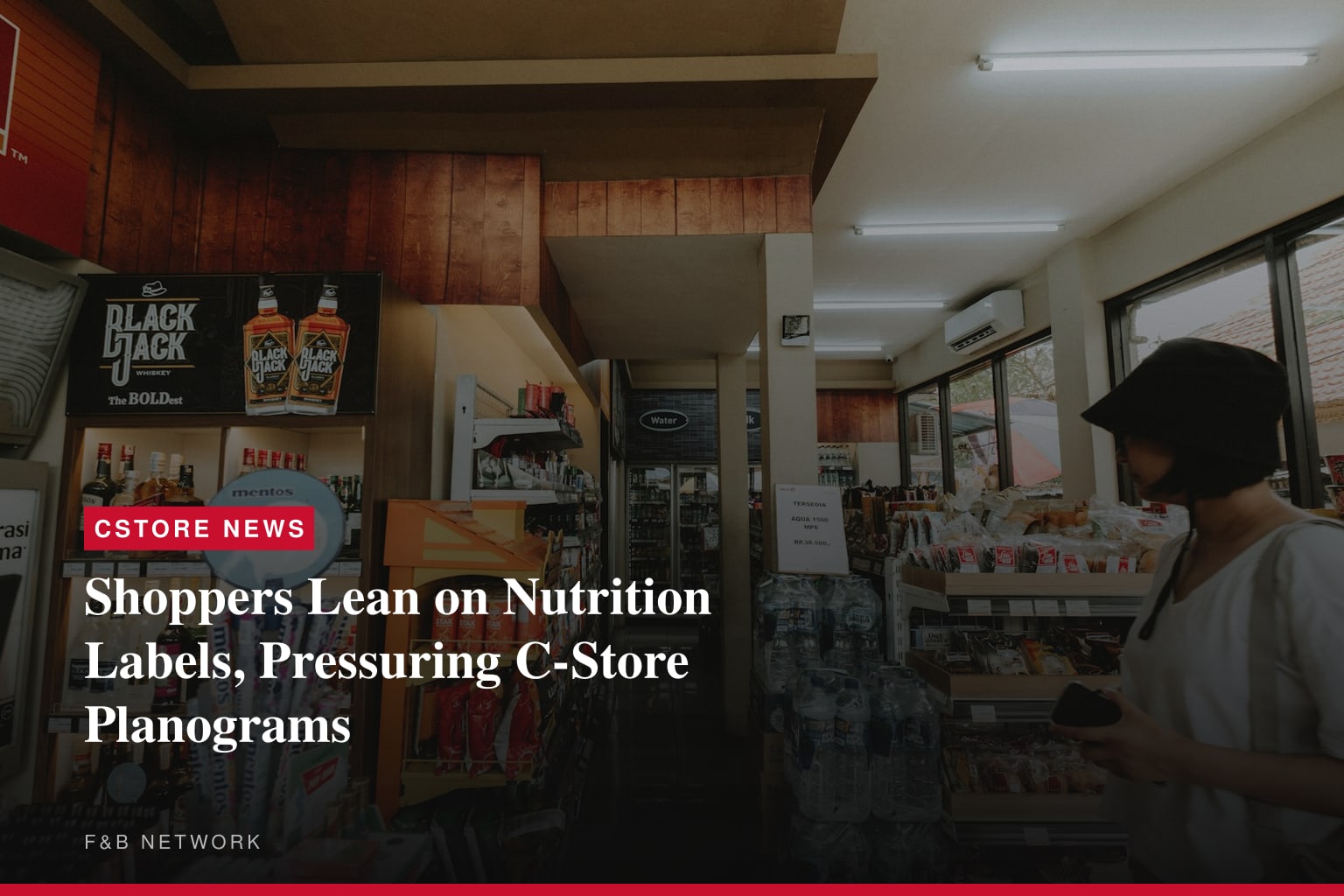
Most American shoppers are actively reading nutrition labels at the point of purchase, according to new research released this week — a behavioral shift that convenience operators ignoring at planogram time may come to regret. The study, distributed via GlobeNewswire, does not break out c-store-specific data, but the directional finding tracks with what category managers at regional and national chains are already hearing from their CPG partners.
The research highlights growing consumer appetite for front-of-package labeling guidance, the shorthand icons and call-outs printed on the front face of a package rather than buried in the Nutrition Facts panel on the back. Regulatory momentum at the FDA level has made front-of-package systems a live policy conversation, and brand suppliers are quietly hedging by reformulating or repositioning SKUs before any mandate lands.
For c-store operators, the practical pressure point is the cooler door and the grab-and-go cold vault — the two highest-velocity zones in most stores. Shoppers who are already scanning labels on a grocery run are carrying that same habit into the forecourt. Beverages, packaged snacks, and single-serve dairy items — core c-store basket-builders — are precisely the categories where front-of-package claims like 'low sodium,' 'good source of protein,' or traffic-light nutrition scores tend to show up first. Operators who have built out a better-for-you snack set will find the trend tailwinds stronger; those still running legacy salty-snack-heavy gondolas may see basket abandonment tick up among health-conscious commuters.
The dispensed beverage and foodservice program side of the house faces a parallel reckoning. As chains invest in made-to-order and roller-grill upgrades, calorie posting requirements — already in effect for chains with 20 or more locations under federal menu-labeling rules — mean that nutrition transparency is not optional for larger operators. Smaller single-store operators (SSOs) are exempt from federal posting rules but are not immune from shopper expectations shaped by grocery and QSR norms.
Loyalty program data offers one practical countermeasure: operators with robust loyalty members databases can track which SKUs health-oriented shoppers are actually buying versus browsing past, giving category managers a cleaner signal than syndicated scan data alone. Chains that have layered loyalty and personalization tools into their mobile apps are better positioned to respond to this shift at the individual-store level rather than waiting for a chain-wide planogram reset cycle.
Written by Michael Politz, Author of Guide to Restaurant Success: The Proven Process for Starting Any Restaurant Business From Scratch to Success (ISBN: 978-1-119-66896-1), Founder of Food & Beverage Magazine, the leading online magazine and resource in the industry. Designer of the Bluetooth logo and recognized in Entrepreneur Magazine's "Top 40 Under 40" for founding American Wholesale Floral, Politz is also the Co-founder of the Proof Awards and the CPG Awards and a partner in numerous consumer brands across the food and beverage sector.