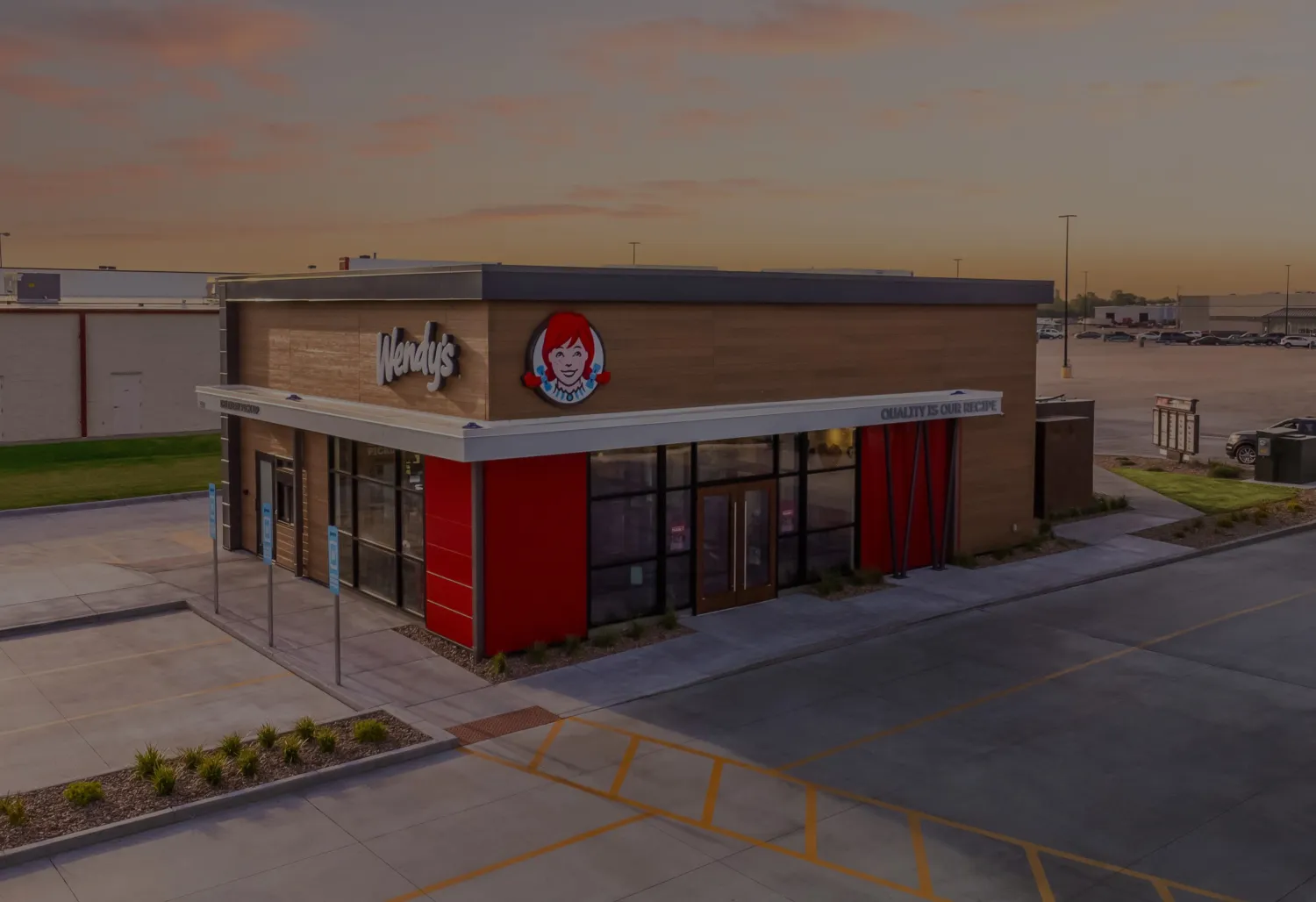
[Wendy's posted a sharp traffic-driven sales slide in its third quarter, with U.S. same-restaurant sales off 5.7% and global systemwide sales down 5.9% to $3.3 billion, as the Dublin, Ohio-based QSR giant simultaneously unveiled a multi-year turnaround plan it is calling Dave's Way. Reported revenues came in at $547.0 million — essentially flat year-over-year — while net income fell 65.9% to $15.1 million and adjusted EBITDA dropped 17.8% to $113.4 million versus the year-ago quarter.
Traffic and Margin Pressure
The revenue headline masks meaningful margin erosion back-of-house. U.S. company-operated restaurant margin contracted 140 basis points to 11.7%, squeezed by lower traffic, labor rate inflation, and commodity cost increases that only partially offset a higher average check and improving labor efficiencies. General and administrative expense surged 26.3% to $73.1 million, driven largely by strategic initiative costs tied to the new plan. Operating profit tumbled 39.3% to $55.8 million. Year-to-date free cash flow of $174.2 million and approximately $413 million in cash on the balance sheet give management room to fund the turnaround without an immediate liquidity crisis.
The international business provided a partial offset: international same-restaurant sales declined a more modest 2.2%, and international systemwide sales actually grew 3.5% in constant currency to $549.4 million. The U.S. system ended the quarter with 5,711 restaurants, down from 5,979 a year earlier — a net reduction of 268 domestic units over twelve months that reflects both closures and the company's ongoing portfolio rationalization. Internationally, the unit count rose to 1,483 from 1,384.
Dave's Way and Portfolio Actions
CEO Bob Wright, President and Chief Executive Officer of The Wendy's Company, described five strategic pillars underpinning Dave's Way, with active tests covering menu enhancements, marketing execution, and digital commerce acceleration. The plan also involves a revised breakfast approach: rather than a broad national push, Wendy's is making breakfast location-specific, a decision the company says test results show could unlock up to $200 million in restaurant-level EBITDA across the system by eliminating underperforming daypart overhead.
On the franchise development and M&A front, Wendy's signed a letter-of-intent with Meritage Hospitality Group and its lenders to acquire up to 163 Wendy's restaurants, subject to a definitive agreement, higher competing offers, and court approval. Meritage is also exploring the sale or recapitalization of its other markets. The deal is part of a broader portfolio optimization effort to shift franchised units toward what the company calls "well-capitalized, high-performing operators" — a consolidation dynamic that mirrors broader QSR franchise restructuring trends seen across the quick-service channel in recent years as single-store operators face tightening economics.
What's Next
The company declared a quarterly cash dividend of $0.07 per share, payable December 15, 2026, to shareholders of record as of December 1. No shares were repurchased in Q3 or in the fourth quarter through the report date, with approximately $35.0 million remaining under the existing buyback authorization expiring February 2027. With the Meritage acquisition still pending court approval and Dave's Way initiatives in early testing, operators and franchisees watching Wendy's footprint will be tracking whether the breakfast pivot and portfolio pruning translate into improved unit-level economics over the next several quarters.
Written by Michael Politz, Author of Guide to Restaurant Success: The Proven Process for Starting Any Restaurant Business From Scratch to Success (ISBN: 978-1-119-66896-1), Founder of Food & Beverage Magazine, the leading online magazine and resource in the industry. Designer of the Bluetooth logo and recognized in Entrepreneur Magazine's "Top 40 Under 40" for founding American Wholesale Floral, Politz is also the Co-founder of the Proof Awards and the CPG Awards and a partner in numerous consumer brands across the food and beverage sector.
Frequently Asked Questions
How bad is the traffic problem at Wendy's right now?
It's the core problem. U.S. same-store sales tanked 5.7% in Q3, driven by traffic decline that management couldn't overcome with higher check averages. That's not a pricing issue—that's consumers voting with their feet, and it's hammering margins across the system.
What's happening to Wendy's profit margins?
U.S. company-operated margins contracted 140 basis points to 11.7%, crushed by lower traffic, labor inflation, and commodity costs. Meanwhile, G&A expenses spiked 26.3% to $73.1 million for the turnaround initiative, sending operating profit down 39.3% to $55.8 million. That's a margin squeeze from both directions.
Is Wendy's closing stores or opening them?
Closing domestically—268 net unit reductions year-over-year, dropping from 5,979 to 5,711 U.S. locations. That's portfolio rationalization in action. Internationally, they're actually growing, adding 99 units to reach 1,483 restaurants globally, which tells you where management sees better unit economics.
Can Wendy's afford the Dave's Way turnaround plan?
For now, yes. They've got $413 million in cash on the balance sheet and year-to-date free cash flow of $174.2 million, so there's no liquidity crisis. But if traffic doesn't stabilize, that runway tightens fast—especially with G&A costs already up 26.3%.
Is the international business saving them?
Partially. International same-store sales only slipped 2.2% versus the U.S.'s 5.7%, and constant-currency systemwide sales actually grew 3.5% to $549.4 million. It's a softer market environment, but it's not collapsing like the domestic business—that's the only bright spot in the quarter.