The Prepared-Food Play
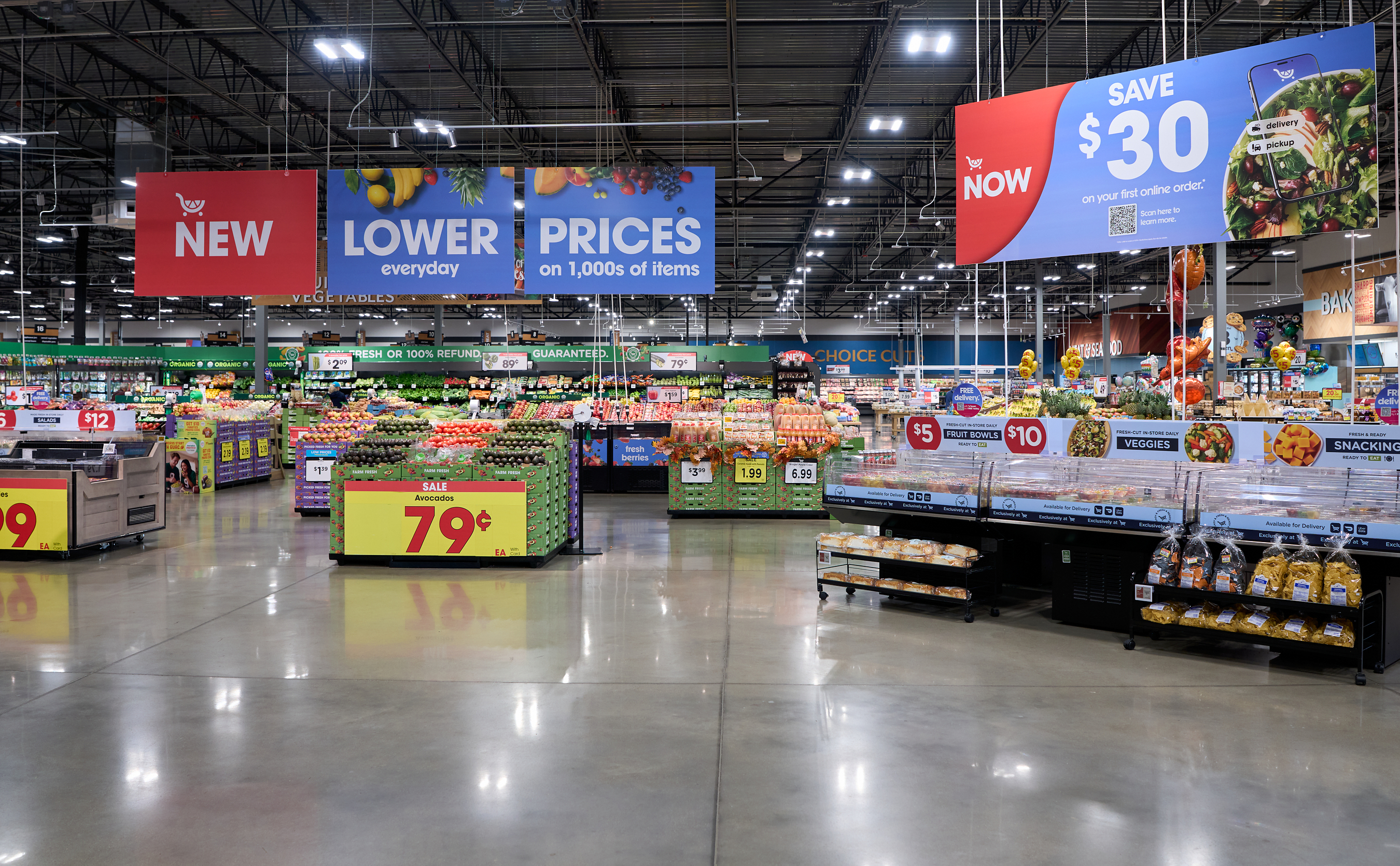
Kroger is leaning hard on its prepared-foods and ready-to-heat assortment for Thanksgiving 2026, positioning the grocer's fresh cases and bakery counters as a one-stop solution for households that want holiday flavor without full-day kitchen commitments. The Cincinnati-based chain — which serves more than 11 million customers daily across its banner network — is merchandising heat-and-eat holiday sides in dedicated fresh cases, fully cooked sliced turkey breast and rotisserie chicken for smaller households, and single-slice pies at bakery tables to reduce leftover-ingredient waste.
The prepared-food push reflects a broader foodservice trend that convenience and grocery operators have tracked for several years: more shoppers are treating the perimeter deli and refrigerated case as a back-of-house substitute rather than a last-resort fallback. For c-store operators who have built out hot-foods programs and roller-grill sets, the competitive read here is clear — Kroger is aggressively closing the convenience gap at the grocery level, particularly around high-demand seasonal windows. The chain's "Feast for a Few" framing — single-serve sides, pre-portioned proteins — mirrors the small-format, grab-and-go logic that convenience retailers have used to capture solo and two-person households year-round.
AI Cart-Building at Scale
Kroger is also activating its AI Shopping Assistant across the Kroger Family of Companies websites and apps as a holiday meal-planning utility. Shoppers can upload a photo of a handwritten recipe, paste a URL, or drop in a grocery list; the tool then builds a cart, scales ingredient portions, and flags substitutions for dietary needs. The assistant can generate a full personalized Thanksgiving menu calibrated to household size, dietary preferences, and budget.
The AI layer matters for channel context: grocery chains investing in digital meal-planning tools are effectively building the kind of frictionless trip-planning infrastructure that loyalty programs at large c-store chains — such as Casey's Rewards or Wawa's app — have pursued through fuel discounts and dispensed-beverage tie-ins. Kroger's move signals that the competitive battleground for routine and seasonal food trips increasingly runs through the app before it reaches the forecourt or store floor.
Fulfillment and Third-Party Reach
On fulfillment, Kroger is offering curbside pickup, home delivery in as little as 30 minutes via Kroger.com and the Kroger app, and on-demand access through DoorDash, Instacart, and Uber Eats. That third-party marketplace footprint extends Kroger's Thanksgiving assortment — including its prepared-food program — to customers who may never enter a physical store.
Mary Ellen Adcock, Executive Vice President and Chief Merchant and Marketing Officer, framed the effort around reducing kitchen stress: "We're focused on making holiday meals as simple and seamless as possible for gatherings of any size, ensuring our customers can spend less time cooking and more time enjoying the holiday." For foodservice-at-retail operators watching grocery chains tighten their grip on occasion-based meal solutions, Kroger's Thanksgiving bundle strategy is a useful benchmark — prepared proteins, portioned sides, and single-serve bakery items are table stakes for any retailer competing on convenience this holiday season.
Written by Michael Politz, Author of Guide to Restaurant Success: The Proven Process for Starting Any Restaurant Business From Scratch to Success (ISBN: 978-1-119-66896-1), Founder of Food & Beverage Magazine, the leading online magazine and resource in the industry. Designer of the Bluetooth logo and recognized in Entrepreneur Magazine's "Top 40 Under 40" for founding American Wholesale Floral, Politz is also the Co-founder of the Proof Awards and the CPG Awards and a partner in numerous consumer brands across the food and beverage sector.