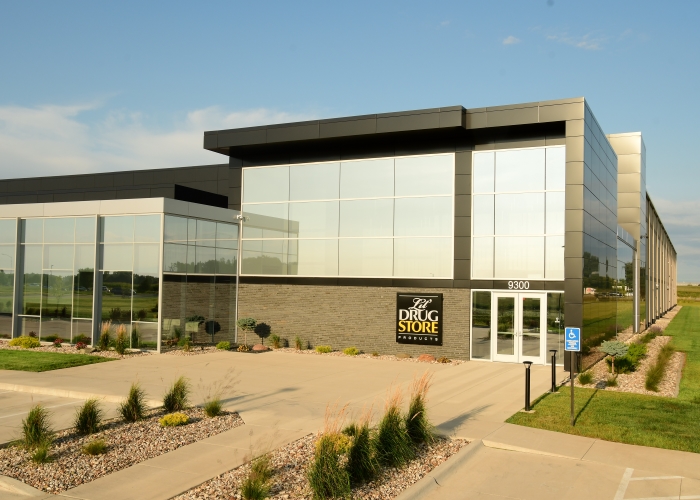
Cedar Rapids-based Lil' Drug Store Products, Inc. (LDSP) completed its acquisition of Navajo Incorporated's Health, Beauty and Wellness business — including its Trial and Travel division — effective Sept. 4, 2026, the company announced this week. The deal moves the family-owned distributor beyond its core convenience, travel, and hospitality channels into grocery and drug retail for the first time in its 52-year history.
What LDSP Gains
The transaction adds Navajo's grocery and drug retail customer base, new distribution points, and expanded category coverage in health, beauty, and wellness to LDSP's existing network of more than 180,000 retail locations. For consumer health and personal care suppliers — a roster that already includes P&G, Haleon, Kenvue, Prestige Consumer Healthcare, and Carmex — the combined platform is pitched as a single-source retail partner capable of reaching consumers across every major channel of trade.
"This acquisition extends our strategy to provide consumer health and personal care suppliers with a more comprehensive retail solution," said Chris DeWolf, President and CEO of LDSP. "Navajo's strength in grocery and drug complements our leadership in convenience and travel, expanding our brand partners' ability to reach consumers wherever they shop."
For convenience channel operators and their HBC sets, the practical upside is supplier leverage: brands that can now scale across grocery, drug, and c-store through one distributor relationship have stronger incentive to invest in category management, in-store fixtures, and product innovation across all three channels — including the forecourt-adjacent impulse and trial formats that drive HBC velocity in convenience.
Channel Context
Trial and travel-size health and beauty remains a high-margin impulse category for single-store operators and regional chains alike. NACS data consistently shows health and beauty care ranking among the top non-fuel inside-sales categories by gross-margin percentage, even as basket sizes run smaller than foodservice or dispensed beverage. Distributors who can bundle category management, planogram support, and brand relationships across channels have a competitive edge in winning and retaining convenience retail accounts.
Navajo, founded in 1978 and headquartered in Denver, operates more than 400,000 square feet of manufacturing, display fabrication, and distribution space. Its eyewear, mobile electronics, and general merchandise businesses are not part of the transaction and will continue to operate independently under Navajo ownership — a clean carve-out that kept the deal narrowly focused on HBW.
Deborah Levy-Abreu, CEO of Navajo Inc., framed the transaction as a continuity play for Navajo's supplier and retailer relationships. "Lil' Drug Store Products shares our customer-first mindset, and we are confident this combination will build on our legacy while taking the business to the next level," she said.
What Operators Should Watch
For c-store buyers and category managers, the consolidation of HBW distribution under a larger, multi-channel player could mean more consistent product availability, broader trial-size assortments, and improved planogram resources — particularly relevant as convenience retailers continue to invest in health and wellness adjacencies to capture pharmacy-adjacent trips lost to closing drug stores. It also signals continued M&A activity in the convenience-adjacent supply chain, as mid-size distributors seek scale to compete on data, logistics, and supplier co-investment.
Written by Michael Politz, Author of Guide to Restaurant Success: The Proven Process for Starting Any Restaurant Business From Scratch to Success (ISBN: 978-1-119-66896-1), Founder of Food & Beverage Magazine, the leading online magazine and resource in the industry. Designer of the Bluetooth logo and recognized in Entrepreneur Magazine's "Top 40 Under 40" for founding American Wholesale Floral, Politz is also the Co-founder of the Proof Awards and the CPG Awards and a partner in numerous consumer brands across the food and beverage sector.