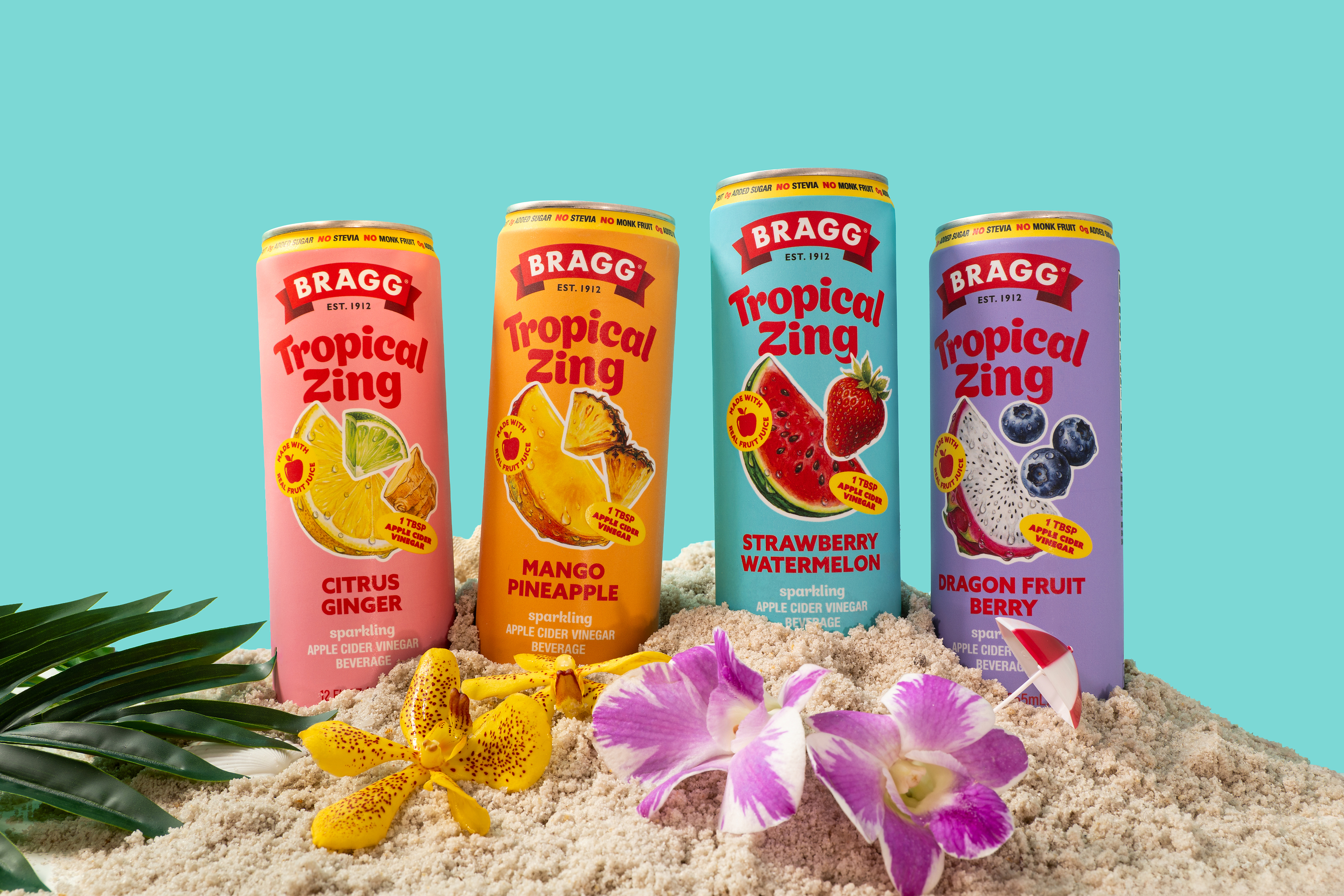
The global food and beverage metal cans market is on track to grow from $57.19 billion in 2026 to $80.21 billion by 2031, a compound annual growth rate of 7.0%, according to new research from MarketsandMarkets. For convenience retailers, that trajectory maps directly to the dispensed beverage and packaged drink categories that now anchor inside-sales growth at chains of every size.
What's Driving Volume
Carbonated soft drinks, energy drinks, beer, and sports drinks are the primary engines. The 330 ml single-serve format is projected to hold both the largest market share and the highest growth rate within beverage can capacity segments — a specification that aligns squarely with the grab-and-go purchase occasions that define c-store traffic. Metal cans' portability, product-protection properties, and compatibility with existing cold-vault merchandising make them a natural fit for the forecourt-to-cooler path that operators have optimized over the past decade.
Aluminum is expected to retain the largest share by material type, while 2-piece can construction — the dominant format for most beverage applications — is forecast to post a 7.02% CAGR through 2031. On the food side, the canned-food application segment is projected to grow at 7.2% annually, outpacing some beverage sub-segments, as demand for shelf-stable soups, ready-to-eat meals, and canned proteins grows. Those SKUs increasingly appear in the center-store sets of larger-format c-stores competing with grocery and dollar-channel operators.
M&A Reshaping Supply
The can manufacturing supply chain is consolidating at pace, and category managers sourcing private-label or value-tier canned items should take note. Ball Corporation acquired a majority stake in Benepack S.A., a European beverage can manufacturer, in December 2025, building on its earlier acquisition of Alucan — a specialist in extruded aluminum aerosol and bottle technology with facilities in Spain and Belgium. Crown Holdings, meanwhile, added approximately 1 billion units of annual European production capacity by acquiring the Saarlouis facility in Germany and inheriting the site's existing customer contracts.
On the innovation side, CANPACK Group formalized a collaboration with U.S.-based Canovation in June 2026 to commercialize CanReseal technology, a resealable metal can format that could eventually reach convenience-channel SKUs and reduce beverage waste — a selling point for operators building out sustainability messaging at the point of sale.
Asia Pacific is projected to register the highest regional CAGR at 7.9%, while Europe ranks second on growth rate, supported by mature recycling infrastructure and rising energy-drink and craft-beer consumption. Those dynamics are already influencing import SKU availability in the U.S. channel.
What Operators Should Watch
For single-store operators and regional chains alike, the macro read is straightforward: the packaged-beverage suppliers stocking your cold vault are investing heavily in can capacity and format innovation. Resealable formats, lighter-gauge aluminum, and increased recycled content are the near-term product-development priorities across Crown, Ball, Ardagh, CANPACK, and Toyo Seikan — the five companies that collectively hold a significant share of global production. Tighter supply from European capacity reshuffles could create short-term procurement friction, but the net capacity additions from recent M&A suggest the opposite: more competitive bidding for retailer shelf space.
For foodservice-leaning operators adding grab-and-go canned proteins or heat-and-eat meal options to their back-of-house sets, the food-segment growth rate of 7.2% CAGR signals that supplier investment in that format is accelerating, and SKU variety should expand through the forecast window.
Written by Michael Politz, Author of Guide to Restaurant Success: The Proven Process for Starting Any Restaurant Business From Scratch to Success (ISBN: 978-1-119-66896-1), Founder of Food & Beverage Magazine, the leading online magazine and resource in the industry. Designer of the Bluetooth logo and recognized in Entrepreneur Magazine's "Top 40 Under 40" for founding American Wholesale Floral, Politz is also the Co-founder of the Proof Awards and the CPG Awards and a partner in numerous consumer brands across the food and beverage sector.