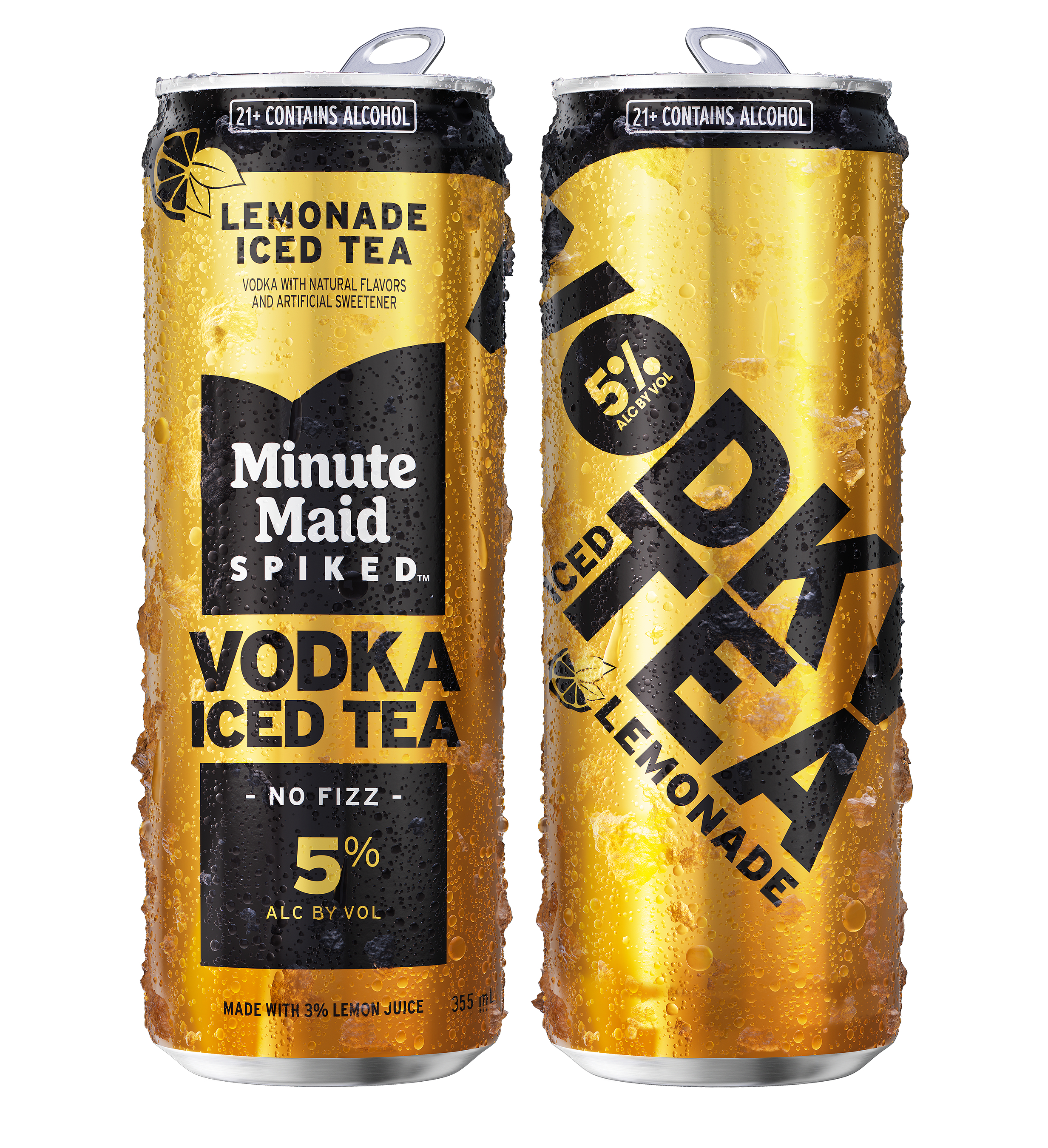
Red Tree Beverages is rolling Minute Maid Spiked Vodka Lemonade Iced Tea into nationwide distribution this summer, adding a tea-forward twist to the brand's existing vodka lemonade platform and deepening its footprint in the fast-growing alcohol-ready-to-drink segment.
The new SKU blends real vodka with lemonade flavor and iced tea, arriving at 5% ABV with 3% real lemon juice and no carbonation. Convenience operators will see two configurations: a 16 oz. single can at a suggested retail price of $3.49 — a natural single-serve grab for the forecourt cooler — and an 8-pack of 12 oz. cans at $16.99 for take-home volume.
The ARTD Opportunity
The alcohol-ready-to-drink category has been one of the most consistent growth drivers in the convenience channel over the past three years. Single-serve ARTD cans in the $3–$4 range align well with c-store basket behavior, where impulse-driven beverage purchases dominate the cooler set. The Vodka Lemonade Iced Tea's no-fizz profile also differentiates it from hard seltzers that have seen slowing velocity, pointing toward a broader consumer shift back toward flavor-forward, spirit-based RTDs.
Lou Grill, President of Red Tree Beverages, called the addition a logical extension. "The Vodka Lemonade Iced Tea is the ideal summer beverage as a familiar favorite with the bold taste of Minute Maid Spiked," Grill said, framing the launch around the brand's emphasis on classic flavors and broad channel appeal.
Portfolio and Channel Context
The new offering slots alongside Minute Maid Spiked's existing vodka-based lineup — Vodka Lemonade in Classic and Pink variants, and Vodka Punch in four flavors — as well as a wine-based cocktail range covering Lime Margarita, Strawberry Daiquiri, Piña Colada, and Blue Hawaiian. That breadth gives convenience buyers a range of price points and pack sizes to merchandise across cooler doors and standalone displays.
Red Tree Beverages, established in 2022 as a firewalled subsidiary of The Coca-Cola Company, operates through third-party alcohol manufacturers and independent wholesaler distribution — a structure designed to keep the Coca-Cola trademark in compliance with alcohol regulations while maximizing retail reach. For c-store buyers, that wholesale network should translate to broad, consistent availability through existing DSD relationships.
Operators looking to build out their dispensed-beverage and packaged-alcohol sets or optimize cooler-door allocation for ARTD growth should have little trouble slotting the 16 oz. single into an established cold-vault section already carrying competing spirit-based RTDs.
Written by Michael Politz, Author of Guide to Restaurant Success: The Proven Process for Starting Any Restaurant Business From Scratch to Success (ISBN: 978-1-119-66896-1), Founder of Food & Beverage Magazine, the leading online magazine and resource in the industry. Designer of the Bluetooth logo and recognized in Entrepreneur Magazine's "Top 40 Under 40" for founding American Wholesale Floral, Politz is also the Co-founder of the Proof Awards and the CPG Awards and a partner in numerous consumer brands across the food and beverage sector.