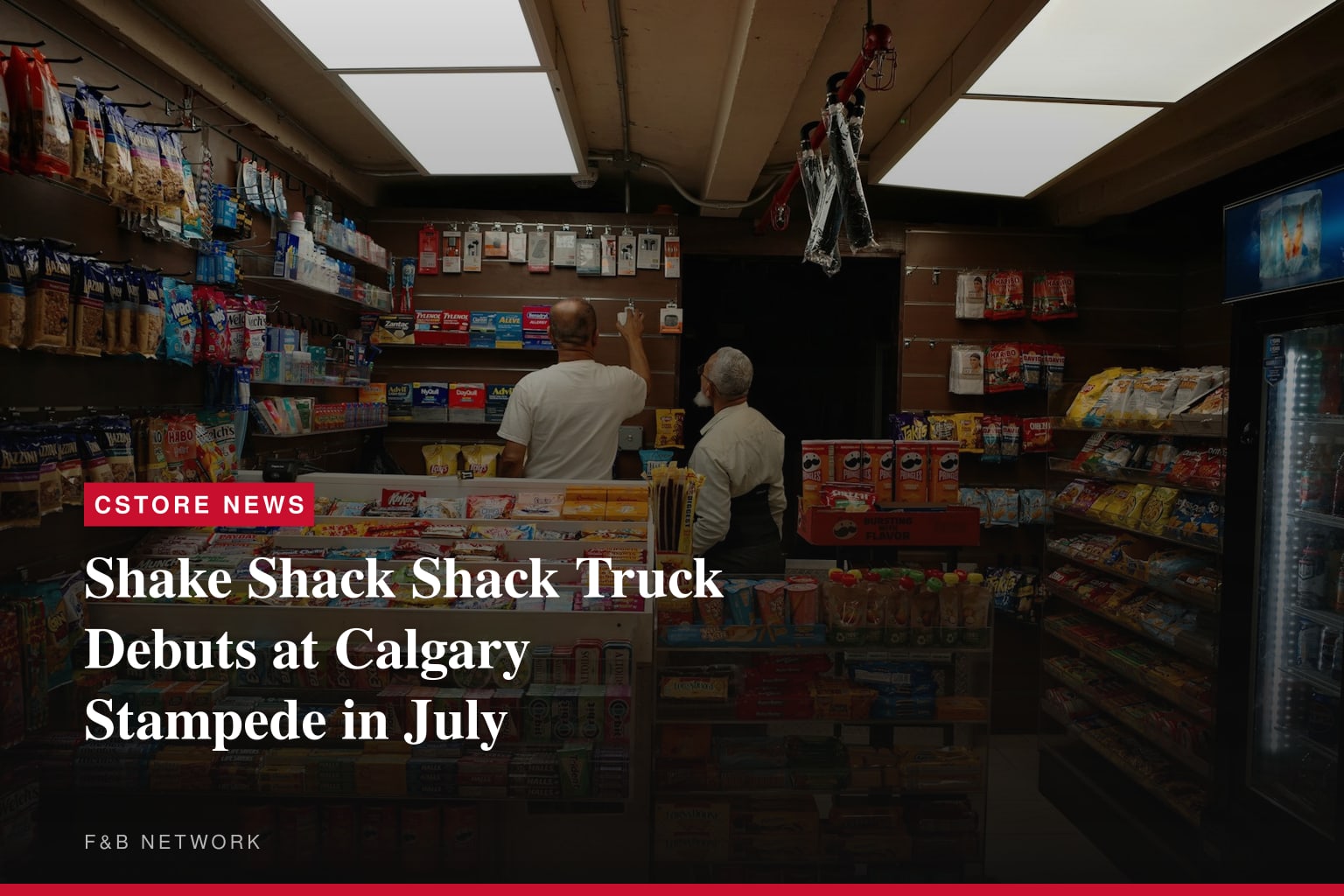
Shake Shack is rolling its Shack Truck into the Calgary Stampede for the first time this July, anchoring the appearance around a limited-time Cowtown Burger built for the event. The move extends the better-burger chain's mobile foodservice footprint into western Canada's biggest annual festival draw.
Details on the Cowtown Burger's build and price point were not disclosed in the announcement, nor were unit sales projections or festival attendance targets. The Calgary Stampede typically draws north of one million visitors across its ten-day run, making it a high-volume, high-visibility stage for any foodservice operator testing mobile concepts.
For channel observers, the Shack Truck play is worth watching as a case study in event-driven foodservice deployment — a strategy convenience operators and contracted mobile units have used for years at fairs, festivals, and motorsports venues. Single-store operators and regional chains have long used food trucks and commissary trailers to extend brand reach without the capital commitment of a brick-and-mortar build. Shake Shack's execution here follows similar LTO-anchored festival strategies employed by QSR brands looking to generate trial in markets where their fixed footprint is thin. Canada remains a relatively underpenetrated market for the chain compared to its U.S. density.
The Stampede debut also underscores the continued blurring of lines between QSR, fast casual, and event foodservice — a dynamic convenience retailers have navigated as foodservice-at-cstore programs have grown more sophisticated. Operators running proprietary roller grill, made-to-order, and dispensed beverage programs compete directly with mobile QSR units for the same captive-crowd consumer at events and highway corridors alike.
No fuel or forecourt component is involved in the Stampede activation, and Shake Shack has no announced convenience-channel partnership tied to this event. Still, the brand's willingness to deploy a mobile unit into a festival environment signals the kind of channel expansion and LTO-driven traffic building that convenience foodservice directors track closely when benchmarking against QSR competitors.
Written by Michael Politz, Author of Guide to Restaurant Success: The Proven Process for Starting Any Restaurant Business From Scratch to Success (ISBN: 978-1-119-66896-1), Founder of Food & Beverage Magazine, the leading online magazine and resource in the industry. Designer of the Bluetooth logo and recognized in Entrepreneur Magazine's "Top 40 Under 40" for founding American Wholesale Floral, Politz is also the Co-founder of the Proof Awards and the CPG Awards and a partner in numerous consumer brands across the food and beverage sector.