Tempo, the ready-to-heat meal delivery service from Home Chef and a Kroger Family of Companies brand, is rolling out a Protein Max line that delivers 40 or more grams of protein in each single-serving meal — all cooked in two minutes. Meals start at $16.48 per serving, with six or more options rotating onto the menu each week.
The Product
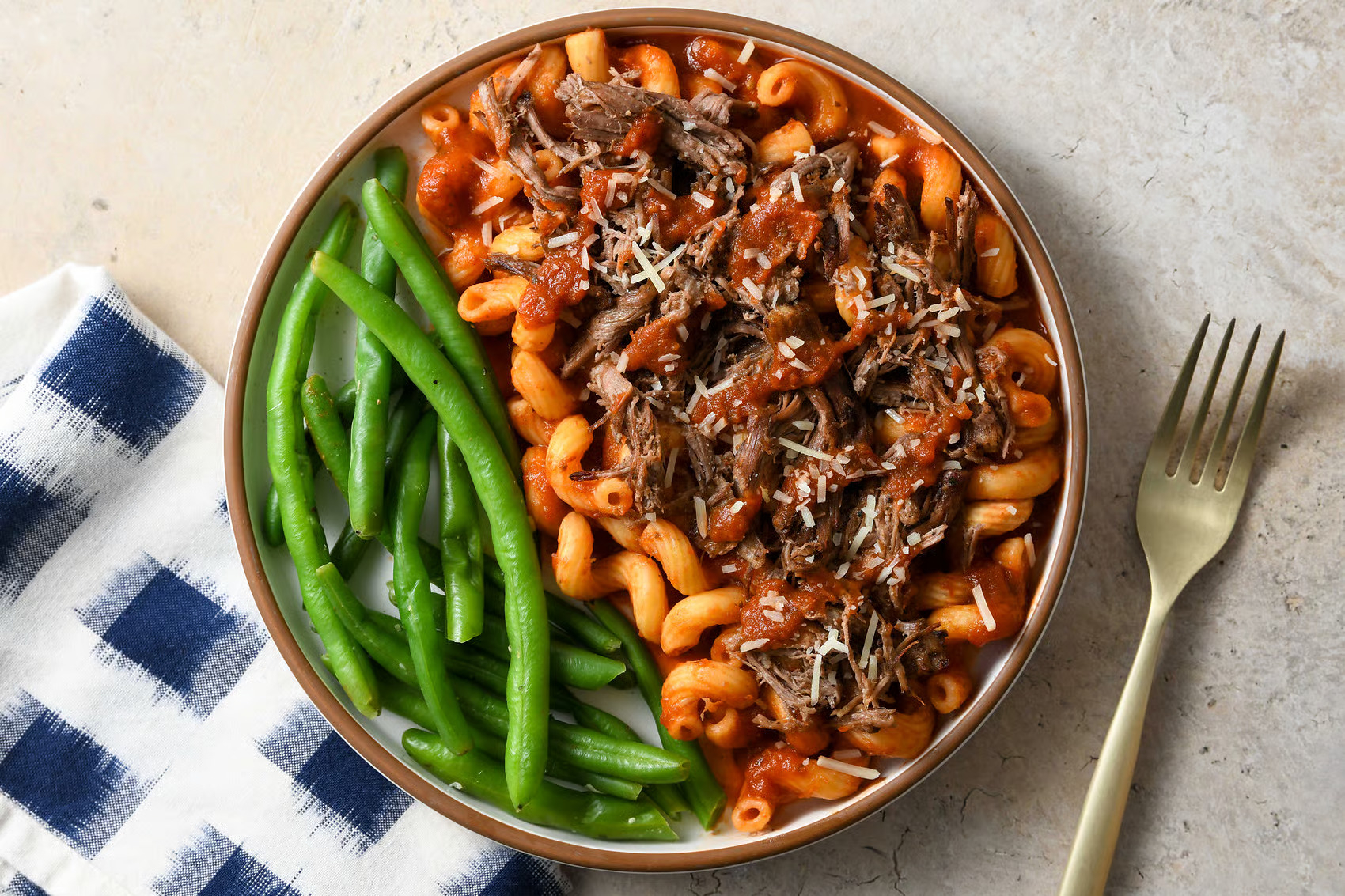
The launch targets wellness-minded consumers who are pushing protein higher on their grocery and meal-delivery shopping lists. According to Circana data from 2026, protein ranks as the second most sought-after ingredient among U.S. shoppers, trailing only vegetables — a dynamic Tempo is leaning into by pairing high-protein proteins with fiber-rich vegetables, legumes, and scratch-made sauces. Initial SKUs include Braised Beef Tomato Ragù Cavatappi with green beans and Parmesan, Hibachi Teriyaki Chicken Thighs with roasted ginger garlic carrots, a Smoky Chipotle Beef Burrito Bowl, and a Japanese BBQ Pulled Pork plate with garlic rice — comfort-food profiles repositioned around a macro-forward nutritional frame.
"Many of these meals are inspired by classic comfort foods that folks may not associate with high-protein or high-fiber eating — but we always aim to create meals that taste just as delicious as a home-cooked recipe," said Nigel Palmer, executive R&D chef at Tempo.
Broader Menu Context
The Protein Max line sits above Tempo's existing protein-packed tier, which carries a 30-or-more grams-per-serving threshold. It also slots alongside a wide wellness segmentation that includes GLP-1 Smart, Calorie and Carb-Conscious, Fiber-Rich, Pescatarian, and Anti-Inflammatory options — a menu architecture increasingly common among premium meal-delivery players courting health-focused subscribers.
Tempo separately debuted a freshly-made Breakfast category, adding items such as a Greek-Style Breakfast Scramble and a Classic Protein Pancake Breakfast with sausage and eggs, each clearing 20 or more grams of protein. That daypart expansion signals an effort to capture more daily meal occasions per subscriber rather than relying solely on lunch and dinner volume.
For c-store operators and foodservice-at-retail strategists, the Tempo rollout is worth tracking as a benchmark: the grab-and-go and heat-and-eat segments are converging around the same macro-nutrition demand curve that's reshaping dispensed-beverage and roller-grill categories inside the forecourt. Circana's data reinforcing protein as a top-two ingredient preference mirrors what fresh foodservice programs at convenience chains are encountering — operators who can post clear protein counts on packaged or prepared items are increasingly winning the trade-down from quick-service restaurants. The ready-to-heat delivery model Tempo operates also provides a useful product-development signal for c-store private-label and commissary buyers assessing which formats resonate with health-conscious, time-pressed consumers.
Andrew Isabel, VP of new product development at Tempo, noted that protein-packed meal types rank as the top customer request by a wide margin when the brand solicits direct feedback — a consumer insight that aligns with broader category data and suggests the trend has durable purchase-frequency implications beyond a wellness fad.
Written by Michael Politz, Author of Guide to Restaurant Success: The Proven Process for Starting Any Restaurant Business From Scratch to Success (ISBN: 978-1-119-66896-1), Founder of Food & Beverage Magazine, the leading online magazine and resource in the industry. Designer of the Bluetooth logo and recognized in Entrepreneur Magazine's "Top 40 Under 40" for founding American Wholesale Floral, Politz is also the Co-founder of the Proof Awards and the CPG Awards and a partner in numerous consumer brands across the food and beverage sector.