Whataburger named Ryan Moore its next Chief Financial Officer, effective July 31, as the San Antonio-based burger chain pushes toward national scale from a nearly 1,200-unit, 17-state footprint.
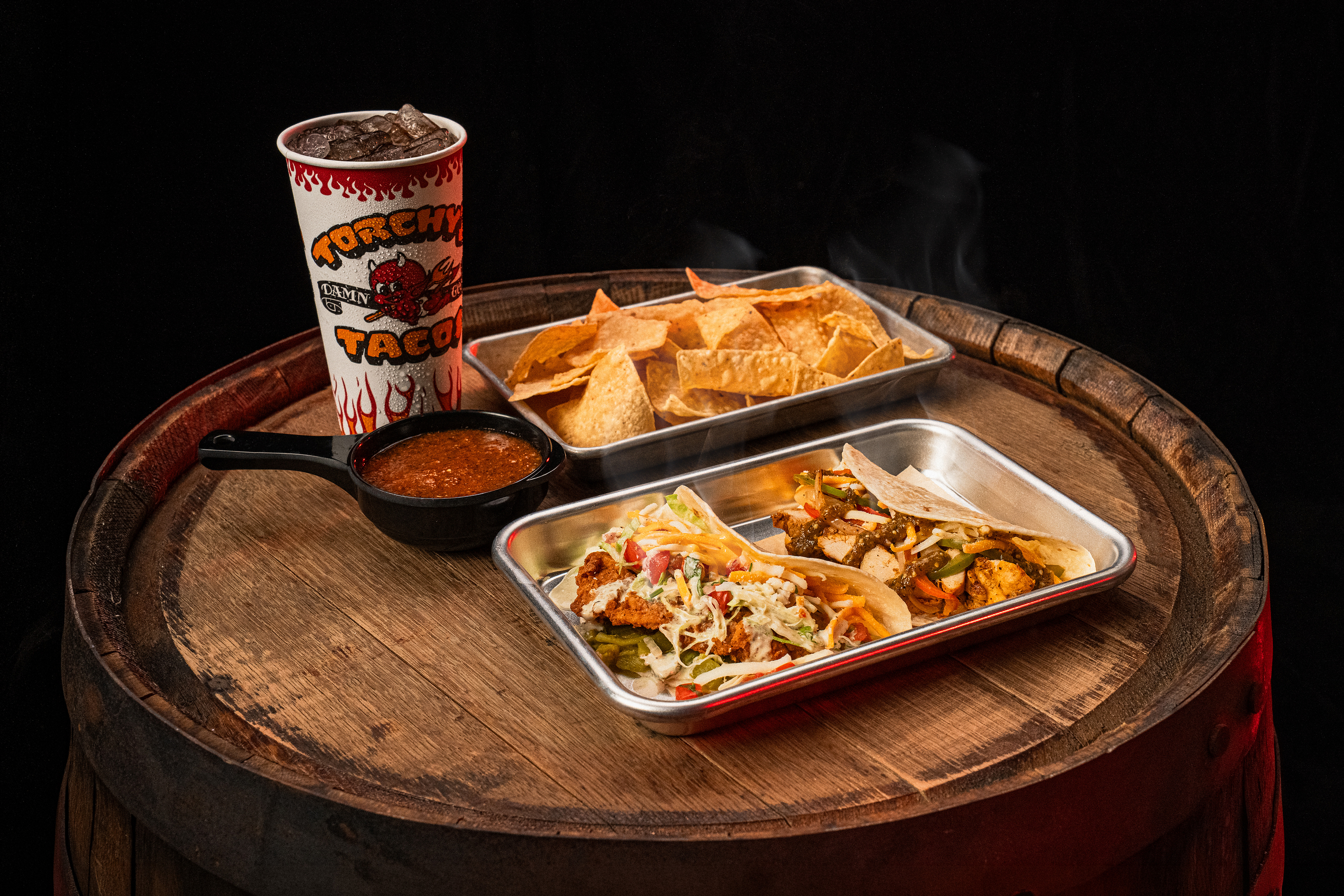
Moore arrives with 16 years of restaurant finance experience — six as CFO of Torchy's Tacos and 10 at Taco Bell, where he served as Vice President of Finance. His background centers on helping regional brands expand beyond their core markets while managing the capital and operational discipline that growth demands, a profile that fits Whataburger's current trajectory precisely.
The Transition
Moore succeeds Janelle Sykes, who will retire in September after more than six years at the company. Sykes joined in February 2020 and served as CFO through Whataburger's most aggressive expansion cycle on record — a period in which the chain grew from 860 restaurants across 11 states to its current 17-state presence. The two will work in parallel through September to support a smooth handoff of financial leadership.
Whataburger President and CEO Debbie Stroud credited Sykes with laying the financial groundwork that enabled that run. "Her knowledge of the business is invaluable," Stroud said, "and she has laid the groundwork for our next chapter of success."
Growth Mandate
For Moore, the assignment is clear: find a repeatable model for planting Whataburger in markets that have never seen the brand while preserving the operational culture — made-to-order, 24/7 service — that drives loyalty in its home territory. "Whataburger is an iconic regional brand with the opportunity to become a national player," Moore said. "Success means finding the right way to share Whataburger with people who have not yet had the opportunity to experience it, while keeping the core essence and heart of the brand."
That framing is familiar to anyone watching the QSR-at-convenience and foodservice-at-retail landscape. Regional chains that built cult followings on operational consistency — customizable menus, late-night windows, identifiable flavor profiles — increasingly face the same scaling challenge: how to replicate the experience across new geographies without the unit economics unraveling. Moore's Torchy's tenure is directly relevant here; the Austin-based fast-casual grew from roughly 70 to more than 130 locations during his time as CFO, navigating supply chain complexity and new-market pre-opening costs in the process.
Whataburger's expansion also carries implications for convenience-adjacent foodservice competition, as QSR burger chains encroaching on new dayparts and geographies increasingly overlap with the prepared-food programs that c-store operators have invested heavily to build. Chains posting 1,200-unit scale with strong breakfast and late-night traffic are a direct competitive reference point for any operator benchmarking their own foodservice program.
The CFO search itself reflects how seriously the private-equity-backed chain — BDT & MSD Partners acquired a majority stake in 2019 — is treating the next growth phase. Bringing in a finance executive with two prior CFO stints rather than promoting internally signals that the board expects continued rapid unit development alongside careful margin management.
Written by Michael Politz, Author of Guide to Restaurant Success: The Proven Process for Starting Any Restaurant Business From Scratch to Success (ISBN: 978-1-119-66896-1), Founder of Food & Beverage Magazine, the leading online magazine and resource in the industry. Designer of the Bluetooth logo and recognized in Entrepreneur Magazine's "Top 40 Under 40" for founding American Wholesale Floral, Politz is also the Co-founder of the Proof Awards and the CPG Awards and a partner in numerous consumer brands across the food and beverage sector.