For convenience-store retailers, margin pressure is relentless. Freshness expectations are rising. And consumers increasingly expect to find premium, health-focused products in their local c-store. The challenge: sourcing fresh herbs and microgreens consistently, profitably, and with minimal waste. Enter Instafarm, a Colorado-based food technology company that has developed automated growing systems designed to bring nutrient-dense microgreens and herbs directly into commercial environments—including retail locations where grab-and-go freshness translates directly to impulse purchases and premium pricing.
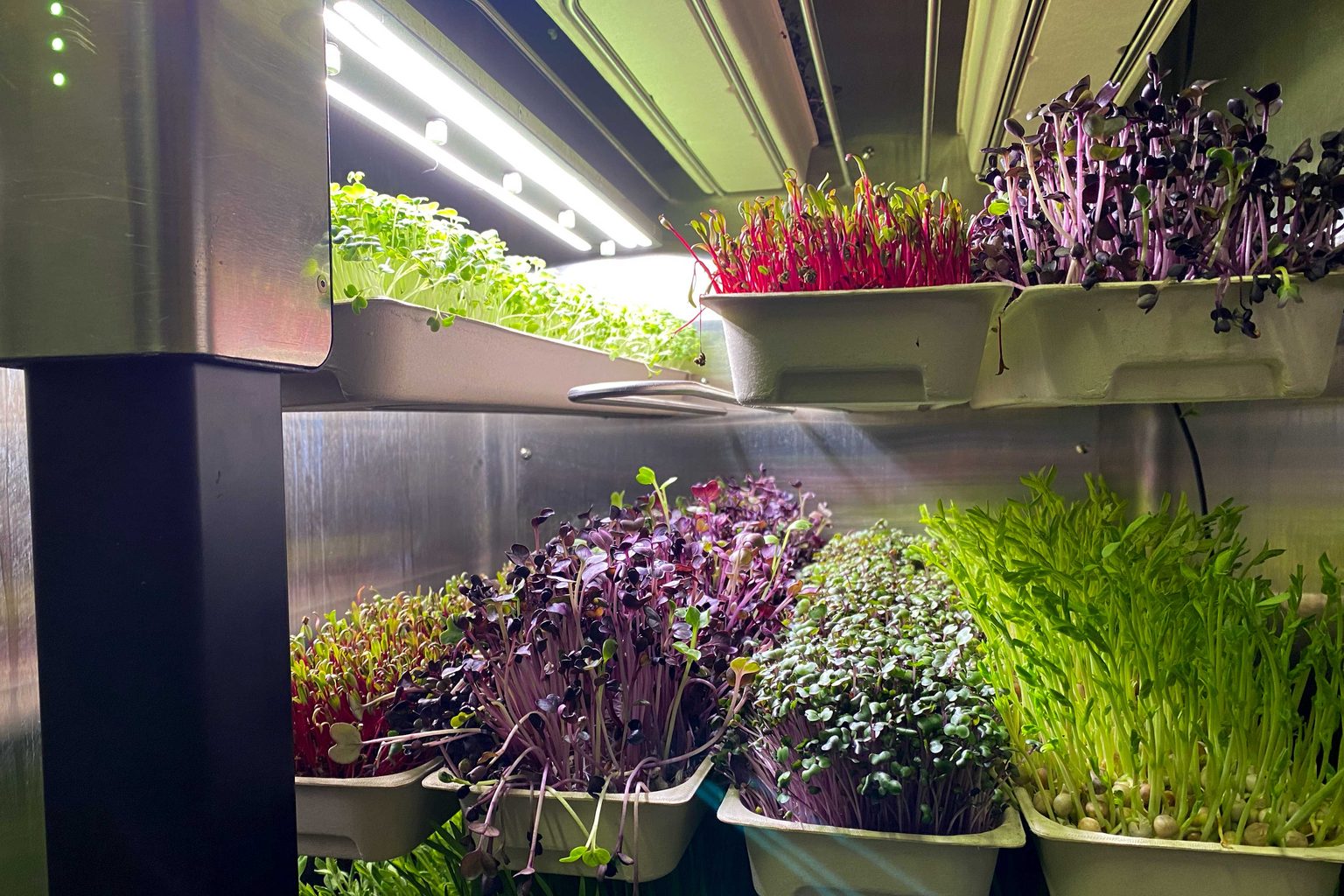
Instafarm's approach is straightforward for c-store operations. The company has built a system that combines soil-based growing with automation, allowing retailers to cultivate fresh greens on-site with minimal labor and oversight. Through intelligent lighting, automated watering, environmental monitoring, and pre-seeded grow trays, the platform simplifies production that has traditionally required both expertise and expensive outside sourcing. For c-store buyers and operators, that means a direct path to stocked shelves without supply chain delays, spoilage, or the transportation costs that eat into fresh-product margins.
Impulse Appeal and Merchandising Advantage
Rising ingredient costs, labor shortages, transportation expenses, and supply chain disruptions have pushed retailers to reconsider how fresh products are sourced and delivered. At the same time, consumers have become increasingly selective about freshness, nutritional value, and sustainability. These pressures have created an environment where innovations that shorten the distance between production and consumption are receiving renewed attention—and c-store shoppers are primed to grab fresh, locally grown herbs and microgreens as part of salads, sandwiches, and health-focused meal solutions.
Microgreens have become increasingly popular among health-conscious consumers because of their concentrated nutrient profiles and versatility. Once considered a fine-dining garnish primarily, they are now finding their way into wellness programs, sports performance facilities, and everyday kitchens. As consumer interest in functional foods continues to grow, the ability to reliably produce fresh greens on-site becomes a direct merchandising asset for c-stores positioned to capture that demand at checkout and in prepared-food sections.
The company recently expanded its focus into commercial foodservice with systems designed for restaurants, hospitality properties, corporate campuses, healthcare environments, and wellness-focused businesses. Rather than relying entirely on outside suppliers for delicate herbs and microgreens, operators can grow select ingredients on-site and harvest them as needed. For c-store retailers, that same logic applies: reduced waste, no transportation miles on fresh inventory, greater consistency, and access to ingredients at peak freshness—all of which command higher margins on grab-and-go offerings.
Proven Recognition in Food Innovation
Instafarm's Commercial Unit was recognized as a CES 2026 Innovation Awards Honoree in the Food Tech category, placing the company among a select group of technologies identified for advancing the future of food production. The company also earned a 2026 Kitchen Innovations Award, a distinction widely regarded within foodservice as a benchmark for practical innovation and operational value. For c-store category buyers evaluating new product sourcing strategies, third-party validation matters—and these awards signal that the technology is market-tested and designed for real-world operations.
Soil-Based Growing and Ease of Operation
Instafarm's decision to utilize soil-based growing distinguishes it from many competitors operating within the indoor agriculture space. While hydroponic systems have become increasingly common, the company has positioned soil as a more natural growing medium capable of producing consistent results while remaining accessible to users who may have little agricultural experience. The technology works largely behind the scenes, allowing the focus to remain on the quality of the harvest rather than the complexity of the process.
The company's ecosystem extends beyond the physical growing units. Through its companion mobile application, users can monitor growing cycles, adjust settings, manage lighting schedules, and receive updates remotely. For c-store operators managing inventory across multiple locations, that kind of remote oversight and consistency control translates to reliable stock levels and predictable product availability for impulse sales.
Building a Fresh-Product Advantage
For hospitality leaders and operators, the larger takeaway extends to c-store retail as well: the definition of local sourcing continues to evolve. Increasingly, it is no longer limited to partnering with nearby farms or regional producers. In some cases, it may mean growing ingredients within the same building where they are ultimately sold. Whether in a c-store deli section, prepared-food counter, or salad bar, technologies like Instafarm are helping redefine the relationship between food production and consumption. As retailers continue searching for ways to improve freshness, reduce waste, and maximize margins on premium fresh items, the idea of bringing the farm closer to the point of sale is becoming less of a novelty and more of a viable business strategy for competitive c-store operators.