SkinnyDipped has cracked a code that c-store buyers increasingly recognize: premium, thinly dipped chocolate snacks that work as impulse purchases. Now in over 30,000 stores nationwide—including Walmart, Costco, Starbucks, and Amazon—the brand built by mother-daughter duo Val Griffith and Breezy Griffith demonstrates how to scale grab-and-go offerings without sacrificing the quality perception that drives repeat purchases.
The brand's origin story, born from kitchen experiments a decade ago, reveals a merchandising advantage: SkinnyDipped emerged not from traditional CPG playbook thinking but from genuine consumer cravings. "We saw a gap in the market when we couldn't find a satisfying sweet snack in the grocery store that wasn't filled with sugar or junk," Breezy explains. "We set out to create exactly that and build a brand around it that was bright, bold, modern and ultimately, very 'us.'" That positioning—better-for-you without sacrificing indulgence—translates directly to c-store impulse appeal.
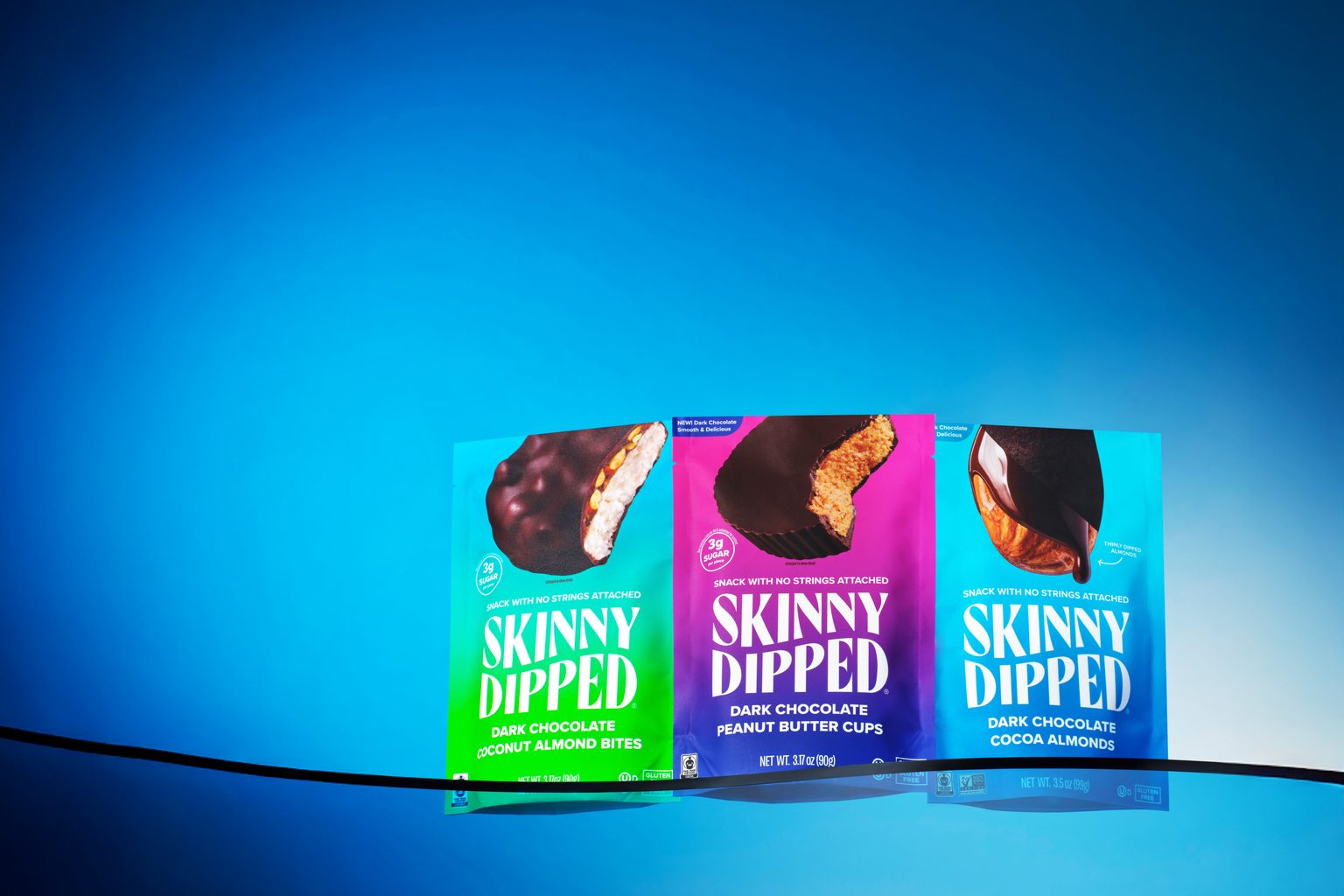
For category buyers, the SkinnyDipped growth trajectory offers practical insights. The brand's flagship product, thinly dipped almonds, has expanded to 20+ SKUs including Dark Chocolate Peanut Butter Cups and Dark Chocolate Coconut Almond Bites—a range designed for varied shopping occasions and basket sizes. Val notes the operational foundation: "From day one, quality was non-negotiable. If it didn't taste exceptional, it didn't make the cut. That philosophy has guided every decision we've made."
Scaling rapidly once national retailers like Target came calling, SkinnyDipped maintained merchandising discipline by refusing to compromise formulation for margin. "We've turned down opportunities that didn't align with our standards," Breezy says. "It's tempting to cut corners when you scale, but we've always believed that trust with the consumer is everything. Once you lose that, you lose the brand." For c-store retailers, this speaks directly to customer loyalty: premium impulse items build ticket value when consumers trust quality.
"Execution came from doing, not overthinking," Breezy shares of the company's approach to manufacturing, packaging, and distribution. That speed-to-execution mirrors what drives c-store success: rapid inventory turnover and fresh product rotation. The brand's presence in over 30,000 doors—including the Starbucks partnership—demonstrates how diversified placement strengthens velocity in any single channel.
Looking at category trends, Breezy notes the tailwind: "There's been a huge shift toward transparency and better-for-you options. The bar is higher now, which we think is a good thing. We're expanding in ways that stay true to our roots but go beyond the candy and nut aisle." For c-store buyers evaluating inventory, that expanding range means flexibility to test placement beyond traditional sweet-snack sections and identify new impulse-purchase locations in stores.
As Val summarizes the brand's operating philosophy: "We stay relentlessly focused on quality, innovation, and purpose. Those three pillars keep us grounded and differentiated." For c-store retailers, that consistency—across product, brand messaging, and distribution—translates to reliable impulse-purchase behavior and reduced inventory risk.