Miguel's Jr., the 22-unit Southern California Mexican QSR founded in Corona in 1973, is running its annual holiday tamale program alongside a structured gift card incentive through December 31 — a combination designed to drive repeat visits well into the new year.
The Tamale Lineup
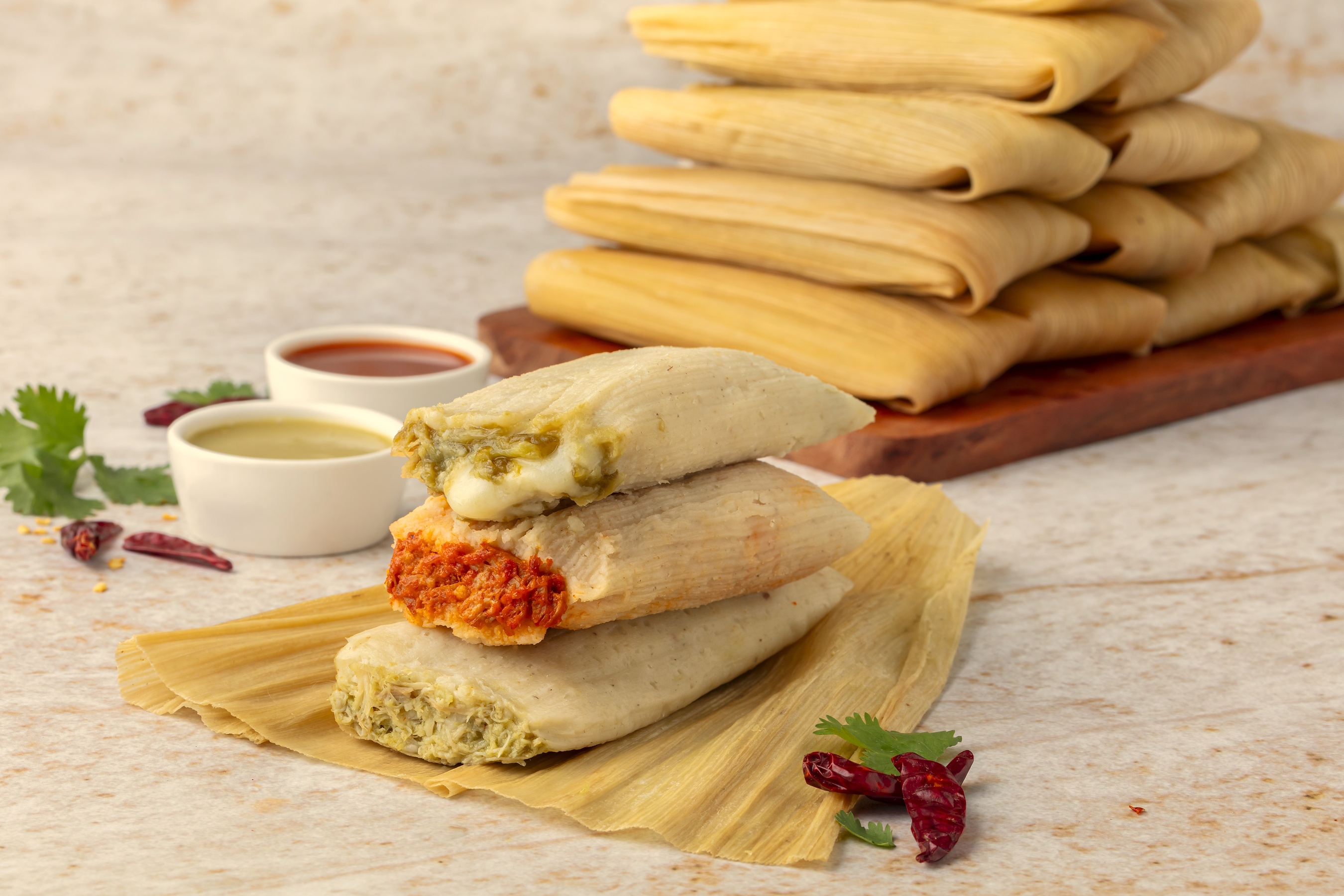
Miguel's Jr. is offering three tamale flavors, each made with 100% stone-ground masa, from November 2 through December 31. Spicy Chicken features tomatillo-serrano green sauce; Chile Rojo Pork is slow-roasted with California and New Mexico dried chiles; and Green Chile & Cheese — back by customer demand — pairs roasted Anaheim chile with melted cheese and a tomatillo-serrano finish. Single tamales run $3.99 ($4.49 for Green Chile & Cheese), with a dozen priced at $43.69. Dozens are available in a single flavor or as a six-and-six split, a format suited to catering and office party orders, which represent a meaningful daypart for regional QSR operators heading into the fourth quarter.
For c-store foodservice operators, the tamale play is a useful benchmark. Seasonal limited-time offers anchored to cultural food traditions have proven effective at driving trial and frequency at both QSR and convenience foodservice programs, particularly in markets with large Hispanic consumer bases. The Inland Empire and Orange County footprint where Miguel's Jr. operates indexes high on that demographic, making tamales a structurally sound LTO rather than a novelty add.
Gift Card Mechanics
The gift card program runs in two windows — November 2 through November 26, and December 1 through December 31 — with every $25 purchase earning a $5 bonus card in-store or a $10 ebonus card online at MiguelsJr.com. The online channel pays out twice the in-store bonus, a deliberate nudge toward digital adoption that mirrors loyalty-building strategies common across larger convenience and QSR chains.
For the Black Friday through Cyber Monday window (November 27–30), in-store buyers receive two $5 bonus cards on a $25 purchase, matching the $10 online value and removing the channel disadvantage for walk-in guests. All bonus cards redeem January 2 through February 28, 2027 — effectively pre-selling traffic during what is typically a slow post-holiday period for foodservice operators.
"The holidays are about gathering around the table, and tamales have been at the center of that tradition for generations," said Javier Vasquez, CEO of Miguel's Jr. "Whether they're bringing home a dozen tamales for the family or picking up gift cards for everyone on their list, we're giving them a little something extra to enjoy in the new year."
What Operators Can Take Away
The Miguel's Jr. playbook — seasonal LTO tied to a deferred-redemption gift card structure — is increasingly relevant for convenience foodservice operators looking to smooth out Q1 traffic dips. The bonus card redemption window (January–February) creates a built-in bridge between holiday volume and the traditionally soft first-quarter period, a challenge well-documented across QSR-adjacent c-store foodservice programs. For single-store operators running a tamale or similar ethnic food program, the dozen-pack format and catering angle also point to an underutilized revenue stream that doesn't require back-of-house expansion.
Written by Michael Politz, Author of Guide to Restaurant Success: The Proven Process for Starting Any Restaurant Business From Scratch to Success (ISBN: 978-1-119-66896-1), Founder of Food & Beverage Magazine, the leading online magazine and resource in the industry. Designer of the Bluetooth logo and recognized in Entrepreneur Magazine's "Top 40 Under 40" for founding American Wholesale Floral, Politz is also the Co-founder of the Proof Awards and the CPG Awards and a partner in numerous consumer brands across the food and beverage sector.