Jon Hughes has been named President & CEO of HARIBO of America, stepping into the role as the world's leading gummi manufacturer launches its first-ever U.S. retail store locations — a direct-to-consumer move that signals a broader shift in how the brand intends to engage American shoppers.
Hughes most recently served as Managing Director for HARIBO U.K. & Ireland, where he oversaw growth operations across those markets. His promotion to lead the U.S. business is paired with an accelerated retail strategy that takes the brand beyond the candy aisle and into freestanding consumer-facing destinations.
The Store Format
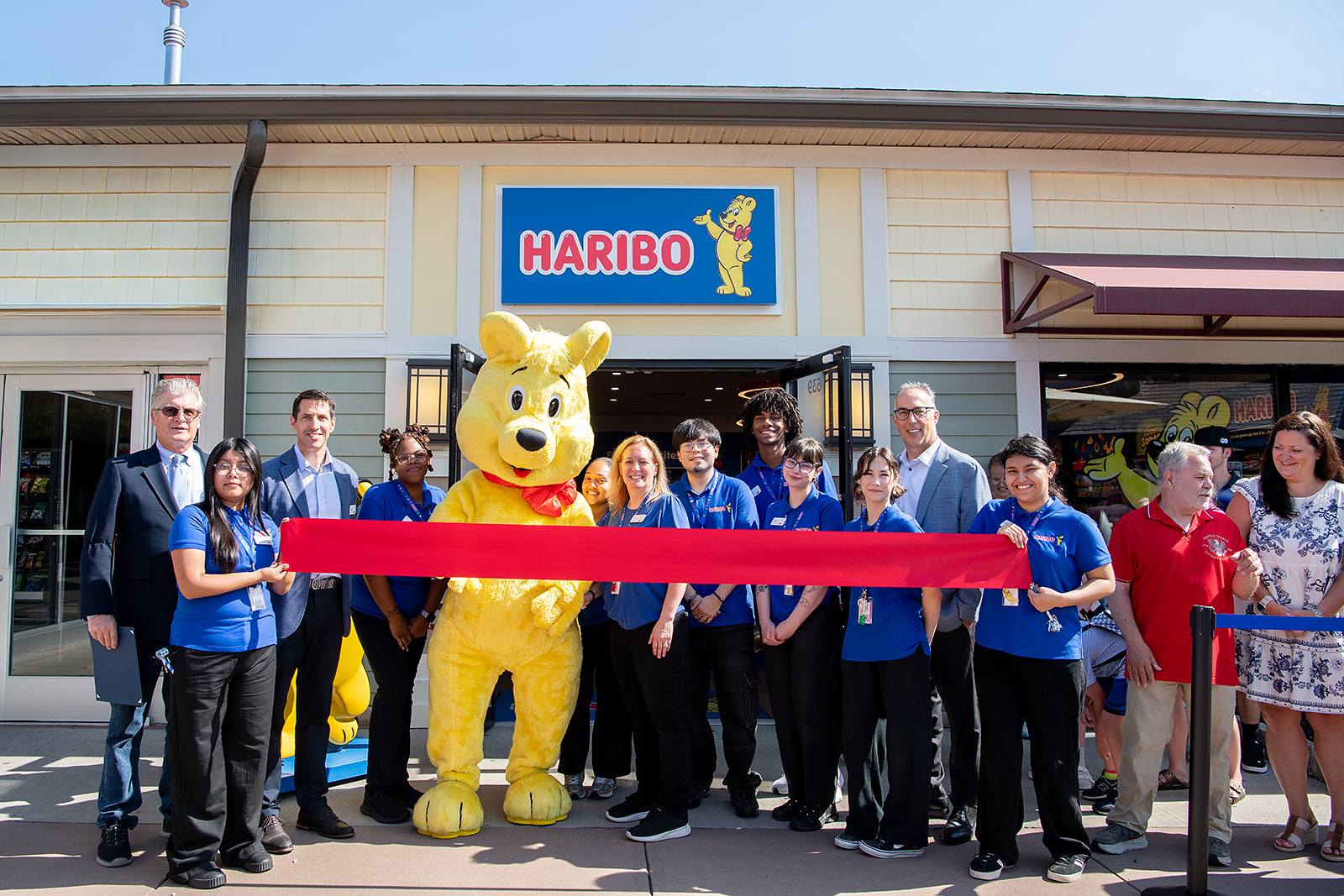
The first location opened August 7 at Woodbury Common Premium Outlets in Central Valley, New York. A second store at Wrentham Village Premium Outlets in Massachusetts is expected to open in early August as well. Both follow an immersive retail concept already operating across European markets, built around customizable Pick-and-Mix experiences, seasonal and limited-time items, exclusive merchandise and branded in-store moments.
The Pick-and-Mix format — long a fixture in European candy retail — gives shoppers the ability to build personalized assortments by weight, a model that drives higher transaction values and repeat visits. For c-store operators, the format is a familiar frame: the concept shares DNA with dispensed-beverage and roller-grill customization that has proven effective at driving impulse and incremental spend in forecourt-adjacent categories.
Channel Context
HARIBO's move into branded retail is notable for the convenience channel because gummi confectionery remains one of the strongest impulse categories at the point of sale. According to NACS data, candy consistently ranks among the top inside-sales contributors for single-store operators and regional chains alike. A consumer who builds brand affinity through an immersive outlet-mall experience is, in theory, more likely to reach for a Goldbears peg bag at the register — a halo effect that brand-owned retail is increasingly designed to generate.
The outlet-center location strategy also targets high-traffic tourist and outlet-shopping environments rather than everyday grocery or mass retail, reducing direct channel conflict while maximizing brand exposure. Peers in the broader confectionery and snack space have pursued similar experiential retail plays in recent years, using flagship or concept stores to reinforce premium positioning and test limited SKUs ahead of wider distribution.
"HARIBO has an extraordinary legacy, unmatched brand love and tremendous opportunity ahead," Hughes said. "As we enter this next chapter of growth, we're investing in new ways for fans to experience the Happy World of HARIBO, from innovative new treats to immersive retail destinations that bring the brand to life."
Founded in 1920 in Bonn, Germany, HARIBO employs nearly 8,500 associates globally and operates 15 production sites across 11 countries. Its U.S. headquarters is in Rosemont, Ill. For c-store buyers and category managers tracking confectionery trends or evaluating impulse-category strategy, the brand's direct retail push is worth watching as it could shift promotional priorities and packaging innovation timelines for the U.S. market.
Written by Michael Politz, Author of Guide to Restaurant Success: The Proven Process for Starting Any Restaurant Business From Scratch to Success (ISBN: 978-1-119-66896-1), Founder of Food & Beverage Magazine, the leading online magazine and resource in the industry. Designer of the Bluetooth logo and recognized in Entrepreneur Magazine's "Top 40 Under 40" for founding American Wholesale Floral, Politz is also the Co-founder of the Proof Awards and the CPG Awards and a partner in numerous consumer brands across the food and beverage sector.